What Is The Meaning Of “Curated Food”?
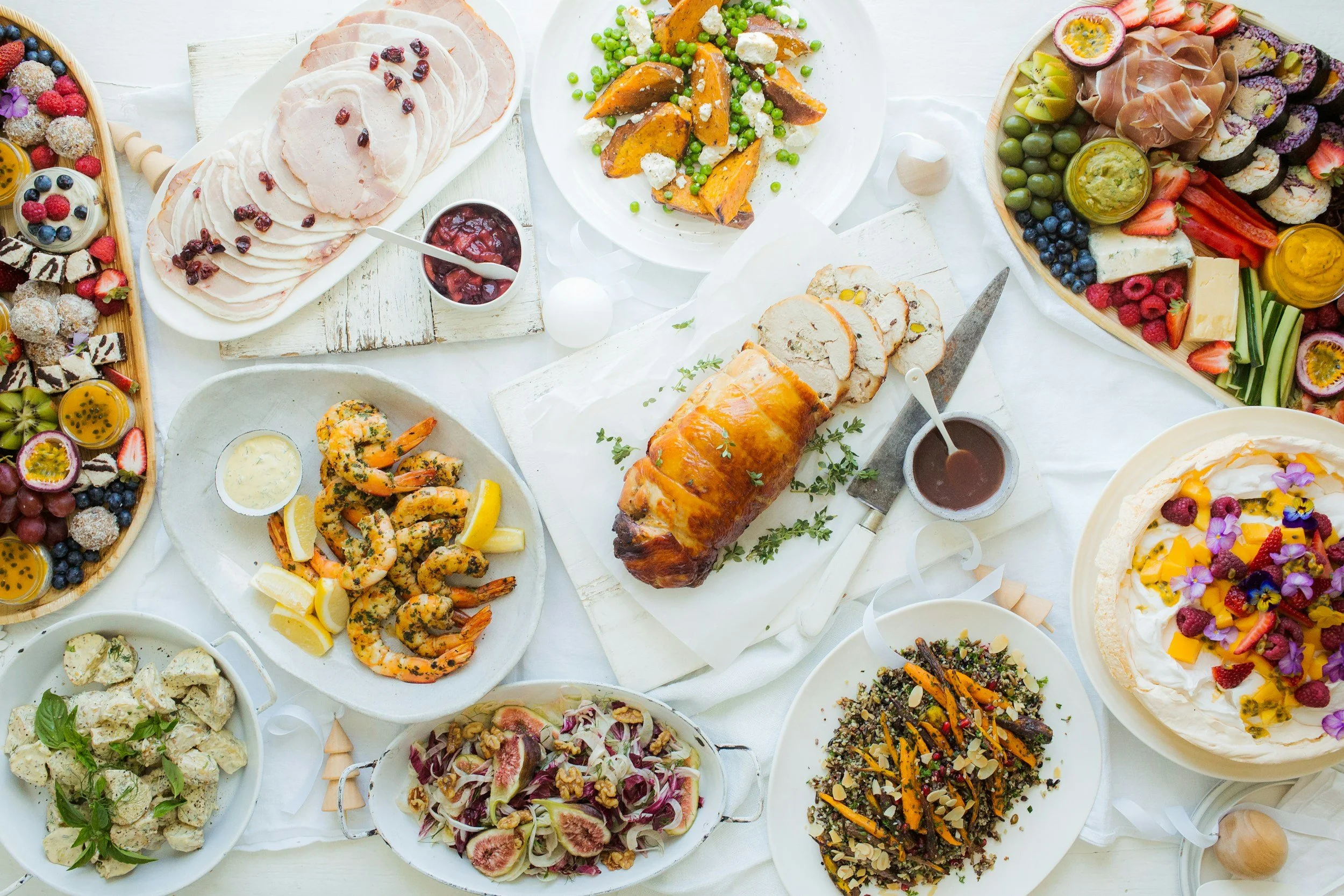
You've seen it on menus. You've read it in restaurant reviews. You've heard it whispered by chefs at food festivals and splashed across artisan market stalls. But what does "curated food" actually mean — and why has it become one of the most important phrases in modern hospitality?
This guide breaks it all down: the definition, the history, why it matters, and how real food professionals use curation to transform a simple meal into a meaningful experience.
The Definition: What Does "Curated Food" Mean?
The word "curate" comes from the Latin curare — to care for, to look after. Traditionally associated with museum curators who carefully select, arrange, and present works of art, the concept has migrated powerfully into the food world.
Curated food refers to a deliberate, thoughtful selection of food items, dishes, ingredients, or dining experiences that are chosen with intention, expertise, and a specific audience or narrative in mind.
It goes beyond simply offering "good food." Curated food involves:
Intentional selection — every item on a plate or menu is there for a reason
Narrative coherence — the food tells a story, whether that's about a region, a season, a producer, or a philosophy
Expertise behind the choices — a knowledgeable person or team has filtered thousands of options down to the very best few
Alignment with the guest experience — the selection is tailored to who's eating, not just what's available
Think of it this way: a supermarket stocks food. A skilled private chef curates it.
Where Did "Curated Food" Come From?
The phrase gained significant cultural momentum in the 2010s alongside broader shifts in how consumers related to food. Several forces converged:
The Farm-to-Table Movement
As diners became more conscious of food origins, chefs began telling sourcing stories. The decision to feature a specific heritage breed pork from a named farm, or heirloom tomatoes from a particular county, became an act of curation — not just purchasing.
The Rise of the Experience Economy
Hospitality researchers like Pine and Gilmore identified a shift: people no longer just buy goods or services, they pay for experiences. A curated food experience — a chef's tasting menu, a wine-paired dinner, a themed pop-up — became the pinnacle of this shift.
Food Media & Social Culture
Food journalism, Instagram, and streaming food documentaries turned chefs into editors. The curation of a beautiful plate became inseparable from the curation of a visual identity. A dish needed to mean something, and to look like it did, too.
Artisan & Craft Food Markets
Farmers' markets, food halls, and subscription boxes all built their commercial appeal around curation. The message: we've done the hard work of finding the best; trust us.
6 Real-World Examples of Curated Food in Action
Understanding curated food becomes much easier with concrete examples across different contexts.
1. The Tasting Menu
A chef's tasting menu is curation in its purest form. Nothing is arbitrary. The number of courses, the progression of flavours from light to rich, the pacing, the provenance of each ingredient — every element is selected and sequenced to guide the diner through a complete sensory narrative.
2. The Curated Cheese Board
A great cheesemonger doesn't just pile up popular varieties. They choose cheeses that contrast in texture (a crumbly aged Comté alongside a silky brie), origin (French, British, Italian), and flavour profile — then pair accompaniments — honey, quince paste, crackers — that elevate each one. That's curation.
3. Subscription Meal Boxes
Services that deliver weekly recipe kits or artisan produce don't just pack whatever's available. They employ food editors and nutritionists to curate seasonal menus that balance variety, nutrition, skill level, and cultural interest. The curation is the product.
4. Hotel Minibar & In-Room Dining
Luxury hotels have moved away from generic mini-bars stocked with mass-market snacks. Today, a curated minibar might feature local craft chocolates, regional spirits, and a hand-written note explaining the provenance of each item. The curation signals care.
5. Food Festival Lineups
Organisers of high-profile food festivals spend months curating their vendor and chef rosters — ensuring diversity of cuisine, a mix of established and emerging talent, and a programme that reflects a coherent vision of contemporary food culture.
6. Restaurant Wine & Beverage Lists
A curated drinks list isn't the longest list — it's the most considered. A sommelier who removes 80 wines to focus on 40 exceptional bottles, each chosen to complement the food philosophy, has curated. More is not more.
Curated Food vs. Just "Good Food": What's the Difference?
This is where many people get confused. Surely all restaurants are trying to serve good food? Yes — but curated food has an additional layer.
Good food tastes delicious; curated food tastes delicious and tells a story. Good food is chosen for quality; curated food is chosen for quality, provenance, and fit within a larger vision. A broad menu covers many preferences, while a curated menu reflects a clear, coherent point of view. Ingredients in a standard kitchen are sourced for price and availability; in a curated offering, they're sourced for relationship, seasonality, and meaning. Ultimately, a guest who orders good food receives a meal — a guest who encounters curated food receives an experience.
Good food satisfies hunger and pleasure. Curated food does that and creates meaning, connection, and memory.
Why Curation Matters in Modern Hospitality
For hospitality professionals, understanding curated food isn't just semantics — it's strategy.
It Builds Trust
When guests understand that someone with expertise has made every decision with care, they relax into the experience. They don't need to second-guess the menu or wine pairing. The curation does that emotional labour for them.
It Differentiates Your Offer
In a market crowded with choice, curation is a competitive edge. A hotel breakfast that features local sourdough from a named bakery, eggs from a nearby farm, and seasonal jams from a local producer stands apart from a generic buffet — even if the quality of ingredients is similar. The story and the selection matter.
It Commands Premium Pricing
Curated experiences justify higher prices. People pay more for a chef's table experience than for à la carte not simply because the food is better, but because the curation — the expertise, the intention, the journey — has value in its own right.
It Creates Loyalty and Word-of-Mouth
A curated experience is inherently shareable. When a sommelier explains why a specific natural wine from a small Basque producer perfectly mirrors the dish you're eating, you remember it. You tell people. You return.
It Reflects Authenticity
Modern diners are sophisticated. They can sense when a menu has been assembled by committee to appeal to everyone (and therefore truly delights no one) versus when it reflects genuine knowledge and passion. Curation signals authenticity.
Common Misconceptions About Curated Food
The word "curated" has become so fashionable that it risks losing its meaning. Here's what curated food is not:
It's not just expensive food. A humble bowl of ramen can be deeply curated — the broth simmered for 18 hours, the noodles sourced from a specific maker, the toppings chosen to balance umami — without costing a fortune.
It's not pretentious food. Curation is about thoughtfulness, not exclusivity. A market stall selling curated jams made from foraged hedgerow fruits is just as valid as a Michelin-starred tasting menu.
It's not just aesthetic food. Food that's been made pretty for Instagram but lacks depth isn't curated — it's styled. True curation prioritises meaning and taste alongside visual appeal.
It's not the same as "artisan." Artisan refers to how something is made (by hand, in small batches, with craft). Curated refers to how it's selected and presented. A curated menu might include both artisan and industrial products if each serves the overall vision.
How to Apply Curation Principles to Your Food Offering
Whether you're a restaurant owner, a private chef, a food retailer, or a hospitality manager, these principles can help you think like a curator:
Know your story. Before selecting anything, define the narrative you want to tell. Seasonal British produce? A journey through the spice routes? A celebration of zero-waste cooking? Your curation flows from your story.
Edit ruthlessly. The hallmark of great curation is what you leave out. A menu with 40 dishes isn't curated — it's catalogued. Reduce to what genuinely belongs.
Know your audience. Curation is always in service of someone. A curated breakfast for business travellers looks very different from one for leisure guests or young families. Understanding your guest shapes every choice.
Source relationships, not just products. Curated food almost always involves direct relationships with producers, farmers, and makers. These relationships give you stories to share and quality to trust.
Communicate your choices. Curation has no value if it's invisible. Train your team to share the provenance of dishes. Write menu descriptions that explain the why, not just the what. Let guests into the selection process.
Revisit and evolve. A curated offer isn't fixed. Seasons change, relationships deepen, new producers emerge. The best food curators are perpetually curious, always editing.
The Future of Curated Food
As we move through 2026, several trends are shaping what food curation means going forward:
Sustainability curation — selecting not just for flavour and story but for environmental impact, provenance transparency, and regenerative sourcing.
Cultural curation — a growing emphasis on authentic representation of culinary traditions, with chefs and restaurateurs taking more care to honour the cultures behind the food they serve.
Hyper-local curation — the 50-mile menu, the neighbourhood-sourced breakfast, the single-valley wine list — as a counterpoint to globalised food culture.
Digital curation — AI-assisted tools helping restaurants personalise recommendations for individual diners, creating curated menus based on dietary needs, flavour preferences, and past dining history.
But whatever the technology or trend, the fundamental human act at the heart of food curation remains the same: someone who cares deeply about food making considered choices on behalf of someone who will eat it.
Summary: What Is Curated Food?
Curated food is the deliberate, expert-led selection of food, ingredients, or dining experiences designed to tell a story, serve a specific audience, and create an experience greater than the sum of its parts.
It's the cheese board that guides you through a journey across European terroir. It's the tasting menu that follows the arc of a season. It's the hotel breakfast that introduces you to the best producers in the local county. It's the market stall run by someone who has visited every farm they stock.
Curation in food is, at its heart, an act of care — and that's precisely why it resonates so powerfully with anyone who truly loves to eat.
Found this article useful? Share it with a colleague in hospitality or a fellow food lover. For more on food culture, dining trends, and the art of the exceptional eating experience, explore our other articles.