Agrihoods in India Explained - Rethinking Real Estate Through Food and Land
For most of human history, settlements grew around food. Land was valued not only for what could be built on it, but for what it could sustain. The modern separation between living and agriculture is a relatively recent phenomenon—one that has delivered scale and efficiency, but also distance, fragility, and loss of connection.
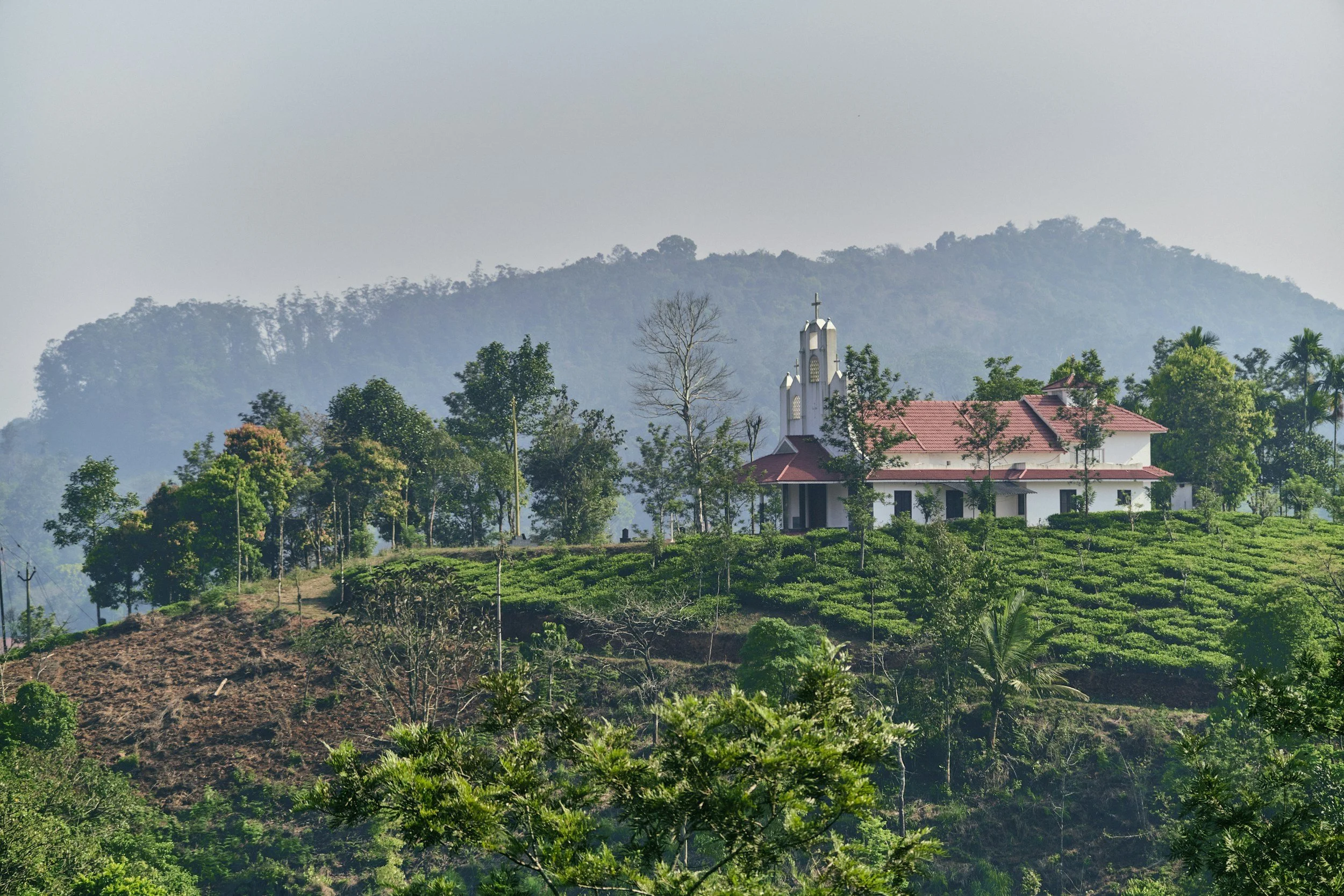
Agrihoods represent a quiet but meaningful correction.
They are not a rejection of cities, nor a romantic return to the past. They are a deliberate attempt to reintegrate food, land, and community into contemporary living and long-term asset design. Globally, agrihoods have matured into a credible real estate category. In India, they are still early—but uniquely relevant.
This article examines agrihoods through a practical lens: what they are, why they matter, how they have worked globally, and what their emergence could mean for India from an investment, lifestyle, social, and environmental perspective.
Understanding the Agrihood Model
An agrihood is a planned residential community structured around a working agricultural system. The farm is not ornamental, nor an afterthought. It is the organizing principle of the development.
Homes, infrastructure, open spaces, and circulation are designed to coexist with productive land—whether that land supports vegetables, orchards, vineyards, or estate crops. Agriculture is typically managed professionally, ensuring consistency, economic viability, and quality, while residents engage with it by choice rather than obligation.
What distinguishes an agrihood from farmhouses or rural enclaves is intentionality. The land is shared. The food system is integrated. The community benefits collectively from the presence of agriculture, rather than treating it as a private amenity.
This distinction is not semantic. It is structural—and it is what makes agrihoods durable.
A Brief Historical Context
Agrihoods may feel contemporary, but the underlying logic is ancient.
Traditional Indian villages, European towns, and early American settlements were inherently agri-centric. Living close to food was not a lifestyle preference; it was a necessity. Industrialization and urban expansion gradually displaced agriculture from daily life, replacing it with centralized supply chains and zoning policies that separated residential, commercial, and agricultural land uses.
The modern agrihood emerged in the late 20th century as planners and developers began to recognize the unintended consequences of that separation: environmental degradation, loss of farmland, declining community cohesion, and growing public health concerns.
Early agrihood projects in North America demonstrated that agriculture could coexist with high-quality housing, generate economic value, and enhance livability. Over time, the model evolved from experimental communities into a replicable development framework.
Why Agrihoods Have Gained Global Traction
Agrihoods have gained traction not because they are novel, but because they address multiple structural pressures simultaneously.
From a planning perspective, they preserve productive land while accommodating growth. From a consumer perspective, they offer access to open space, fresh food, and healthier daily routines. From a developer’s perspective, they create differentiation and long-term value.
Importantly, agrihoods align with broader global trends: rising interest in wellness, sustainability, traceability in food, and experiences rooted in authenticity rather than excess.
They are not designed to appeal to everyone. They are designed to appeal deeply to a growing segment of buyers who prioritize quality of life and long-term value over short-term convenience.
The Indian Context: Why Timing Matters
India’s relevance to the agrihood conversation is often underestimated.
Few countries have India’s combination of agricultural heritage, demographic scale, urban growth, and land pressure. As cities expand, farmland at their peripheries is increasingly absorbed into conventional real estate development, often permanently losing its productive value.
At the same time, a parallel demand curve is forming. Urban professionals, entrepreneurs, returning NRIs, and retirees are seeking living environments that offer space, health, and meaning—without abandoning modern infrastructure.
Agrihoods sit precisely at this intersection.
They offer a framework for development that respects land as a long-term asset rather than a short-term commodity, while still meeting the expectations of modern living.
Agrihoods as an Investment Thesis
From an investment standpoint, agrihoods are compelling because they integrate two resilient asset classes: residential real estate and agricultural land.
Land as a Long-Term Asset
Productive agricultural land has historically demonstrated strong inflation resistance and steady appreciation. Its value is driven by scarcity, utility, and necessity—qualities that tend to endure across economic cycles.
In India, where land fragmentation and conversion are accelerating, well-located farmland near urban centers is becoming increasingly scarce. Preserving that land within a development framework enhances its long-term value rather than diluting it.
Residential Demand and Price Stability
Globally, homes adjacent to open land, farms, and conserved green spaces consistently command premiums over comparable developments. More importantly, they demonstrate resilience during market corrections.
Buyers drawn to agrihoods are typically end-users with long-term intent rather than speculative investors. This reduces volatility and supports price stability—an often overlooked but critical factor in real estate performance.
Diversified Value Creation
Agrihoods are not dependent on a single revenue stream. Beyond residential sales, value can be generated through agricultural output, experiential offerings, hospitality components, and long-term land appreciation.
This diversification reduces exposure to cyclical risk and allows developers to build more balanced project economics over time.
Agrihoods and the Retirement Lens
India’s approach to retirement is evolving. The traditional model—either remaining in dense urban environments or relocating to isolated rural settings—no longer satisfies the expectations of many retirees.
Agrihoods offer an alternative that is neither institutional nor isolating.
They support physical health through walkable environments and access to fresh food. They support mental well-being through social interaction, open landscapes, and daily engagement with nature. They support purpose by allowing residents to remain connected to productive systems rather than passive consumption.
For retirees with capital to preserve and time to invest in quality of life, agrihoods align lifestyle with long-term asset stewardship.
Social and Environmental Implications
Agrihoods are not a panacea, but they do offer measurable social and environmental benefits when executed responsibly.
Socially, they strengthen local economies by creating employment, supporting farmers, and fostering community interaction. They reduce dependence on long, opaque food supply chains and bring transparency back into consumption.
Environmentally, they preserve open land, support soil health, reduce food transportation emissions, and enable integrated water and energy management strategies.
Crucially, these benefits are not externalities. They are intrinsic to the model.
Risks and Realism
It is important to acknowledge that agrihoods are not without challenges.
They require disciplined land planning, long-term operational commitment, and realistic financial structuring. Agriculture must be treated as a professional enterprise, not a marketing feature. Governance models must balance community participation with operational efficiency.
Projects that romanticize farming without understanding its economics often fail. Those that respect agriculture as both a livelihood and an asset tend to succeed.
In India, regulatory clarity, land-use policy alignment, and infrastructure planning will play a decisive role in determining which agrihood projects endure.
The Road Ahead for Agrihoods in India
Agrihoods are unlikely to become mainstream in the near term—and that is not a weakness.
Their strength lies in selectivity, depth, and long-term orientation. As India’s real estate market matures, demand for developments that offer enduring value rather than superficial luxury will continue to grow.
Agrihoods speak to a quieter aspiration: to live well, invest wisely, and remain connected to land in a meaningful way.
For developers, they demand patience and integrity.
For investors, they reward foresight.
For residents, they offer a way of living that feels both progressive and familiar.
Closing Perspective
Agrihoods do not promise perfection. They offer coherence.
They reconnect living with food, investment with stewardship, and development with responsibility. In an era defined by fragmentation, that coherence may prove to be their greatest value.
In India—where land is finite, agriculture is foundational, and aspirations are evolving—agrihoods are not merely an imported idea. They are a framework waiting to be applied with intelligence and restraint.
The question is not whether agrihoods will exist in India.
The question is who will build them well.