Here’s Why You Should Invest in a Coffee Plantation in India
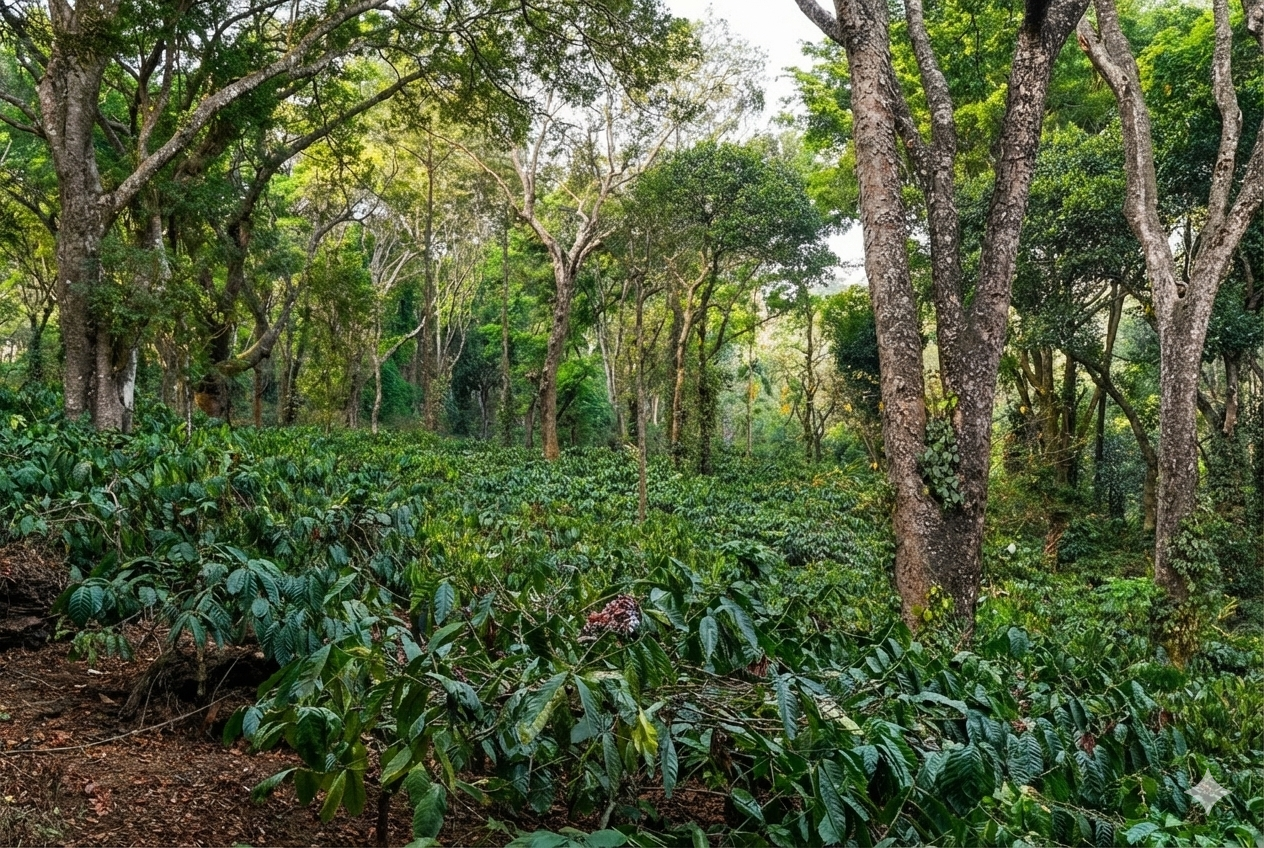
Coffee Plantation In Coorg
India is quietly becoming one of the world’s most promising coffee investment destinations. From the lush highlands of Coorg to the award-winning tribal estates of Araku, coffee plantations in India offer a rare combination of long-term profitability, sustainability, and lifestyle value. Whether you're a domestic investor, an NRI, or looking for a unique land-backed asset, here’s why coffee estate investment deserves your attention.
1. Demand for Indian Coffee Is Rising — Globally and Locally
India is the world’s 7th largest coffee producer, exporting over 75 percent of its beans to countries like Italy, Belgium, Russia, and Germany. At the same time, domestic demand is growing rapidly due to urbanization, café culture, and the popularity of specialty coffee among millennials.
India’s coffee exports recently crossed $1.29 billion, and domestic consumption is forecast to grow year after year. With global and local buyers seeking high-quality beans, investing in a coffee plantation now means positioning yourself at the heart of a booming market.
2. India Offers Competitive Strength in the Global Coffee Market
Indian coffee is known for being shade-grown, biodiversity-friendly, and often organically cultivated — features that align with global trends in ethical and premium consumption. The country’s unique monsoon-fed terrain, high-elevation farms, and agroforestry techniques give Indian beans a distinct, terroir-rich flavor profile.
Unlike commodity-grade coffees, many Indian plantations now produce specialty batches that command higher prices in export markets. That makes estates here uniquely positioned to serve both volume and value buyers.
3. The Best Places to Invest in Coffee Plantations in India
India’s most productive coffee regions are in the southern highlands, but new zones are emerging with exciting potential:
Karnataka (Coorg, Chikmagalur, Hassan): These are the heartlands of Indian coffee, with decades of commercial and export success. Estates here benefit from strong infrastructure, local expertise, and high elevations ideal for Arabica and Robusta cultivation.
Kerala (Wayanad): Known for organic and robusta-heavy production, Wayanad combines strong yields with eco-tourism potential and access to global certification markets.
Tamil Nadu (Nilgiris, Shevaroys, Anamalais): Produces fine Arabicas at high elevation. A great choice for specialty producers and small-scale investors.
Andhra Pradesh and Odisha (Araku Valley): Home to one of India’s most inspiring coffee success stories. Tribal-run, award-winning, and fully organic, Araku coffee has drawn international acclaim and now attracts impact investors.
Emerging Zones: Regions like Assam, Meghalaya, and Uttarakhand are gaining attention as climate-adaptable coffee belts. These offer low-entry land prices and long-term growth.
4. Unique Advantages of Indian Coffee Farming
Unlike full-sun coffee monocultures elsewhere, Indian estates grow coffee under a natural canopy of native trees. This traditional shade-grown approach protects soil, preserves biodiversity, and creates better-tasting beans.
Other advantages include:
Naturally low pesticide use due to climate and canopy cover
Higher resilience to pests and climate shocks
Opportunities for intercropping (pepper, cardamom, etc.) to increase income
Favorable soil and altitude conditions across much of the southern belt
These features create a sustainable, high-quality product that appeals to modern consumers and earns growers premium prices.
5. Strong Financial Returns and Multi-Decade Income
While coffee takes 3–4 years to reach commercial maturity, plantations offer 30+ years of consistent annual income once established.
Recent financial analyses show:
Return on investment up to 2.05x
Internal Rate of Return (IRR) as high as 25–30 percent in well-managed estates
Break-even timeline of 6–9 years
Higher margins for organic and specialty-grade beans
Additional income can come from intercropping, homestays, and roasting/branding your own product. Unlike passive land or gold investments, a coffee estate is a working asset that pays year after year.
6. Government Support and Tax Advantages
India offers extensive support to coffee growers:
Subsidies of 25–40 percent for planting and infrastructure
Up to 90 percent subsidy on processing equipment in certain states
Free shade tree saplings and extension services
No export duty
Freight assistance for exporters
Zero income tax on agricultural income, including raw coffee sales
These benefits significantly reduce risk and improve cash flow — especially in the first few years of establishment.
7. Lifestyle, Tourism, and Heritage Value
Coffee estates offer more than just financial return. They provide:
Scenic, peaceful land ownership in India's most beautiful regions
Opportunities to build eco-resorts, homestays, or farm retreats
Heritage value in regions like Coorg or Chikmagalur, where plantations date back over a century
A way to live close to nature, sustainably and independently
For many investors, especially NRIs or urban professionals, a coffee estate offers the best of both worlds — a working income asset and a retreat for personal use.
8. Environmental and Social Impact
Investing in coffee supports more than your portfolio:
Shade-grown farms act as natural carbon sinks and biodiversity corridors
Most estates are run by smallholders or tribal cooperatives
Community-led models like Araku Valley demonstrate the role of coffee in rural transformation
Coffee farming aligns well with ESG and regenerative agriculture goals
If you care about sustainability, rural development, or ethical business, a coffee plantation can be both a high-impact and high-return investment.
9. Coffee vs. Other Asset Classes
Unlike stocks or gold, coffee land provides tangible utility, deep cultural significance, and a physical presence you can see and touch. Unlike urban land, it not only appreciates steadily over time but also generates consistent, reliable income through harvests and farm operations.
Moreover, coffee land is a living asset: its value is tied to crop cycles, soil health, and climatic resilience, creating opportunities for active stewardship and value creation. Sustainable practices—agroforestry, organic certification, and water management—boost yields and command premium prices, aligning profitability with ecological care. Social capital matters here too; relationships with workers, cooperatives, and buyers stabilize cash flow and open market access. For investors seeking experiential, impact-driven returns, coffee land blends predictable revenue with scope for enhancements that compound value across seasons.
10. How to Get Started
Choose your region — Coorg, Chikmagalur, Araku, Wayanad, or an emerging belt.
Verify legal classification (agricultural land) and conduct due diligence.
Register with the Coffee Board of India to access subsidies and support.
Procure quality seedlings and plan for irrigation, shade, and spacing.
Hire a manager or partner with a local farmer or cooperative.
Decide your strategy — bulk sales, direct export, branded retail, or tourism.
Consider roasting and packaging for value addition once production stabilizes.
Final Thoughts
India’s coffee plantation opportunity checks all the right boxes — strong demand, government support, solid ROI, lifestyle value, and long-term sustainability. Whether you’re looking for a land-backed income stream, a regenerative investment, or a legacy project that can be passed on for generations, coffee farming in India is a strategic and fulfilling option.
With the right guidance, location, and intent, investing in a coffee estate today could become one of the most rewarding decisions of the decade.