Hospitality Trends In 2026
Hospitality has always mirrored how societies choose to live, rest, eat, and gather. In 2026, that mirror is becoming more selective. The industry is shedding excess and rediscovering purpose. The focus is shifting from scale to substance, from performance to presence. This is not a cycle driven by novelty or tools. It is a cultural re‑orientation.
Across hotels, restaurants, experiential stays, and mixed‑use assets, guests are recalibrating expectations. They want environments that respect attention, reduce friction, and feel internally coherent. Investors and founders are responding by privileging longevity, operational clarity, and relevance over rapid expansion.
What follows is a deliberately non‑repetitive examination of the forces shaping hospitality in 2026, viewed through design, architecture, operations, capital, and human behaviour.
Quiet Luxury Becomes Spatial, Not Symbolic
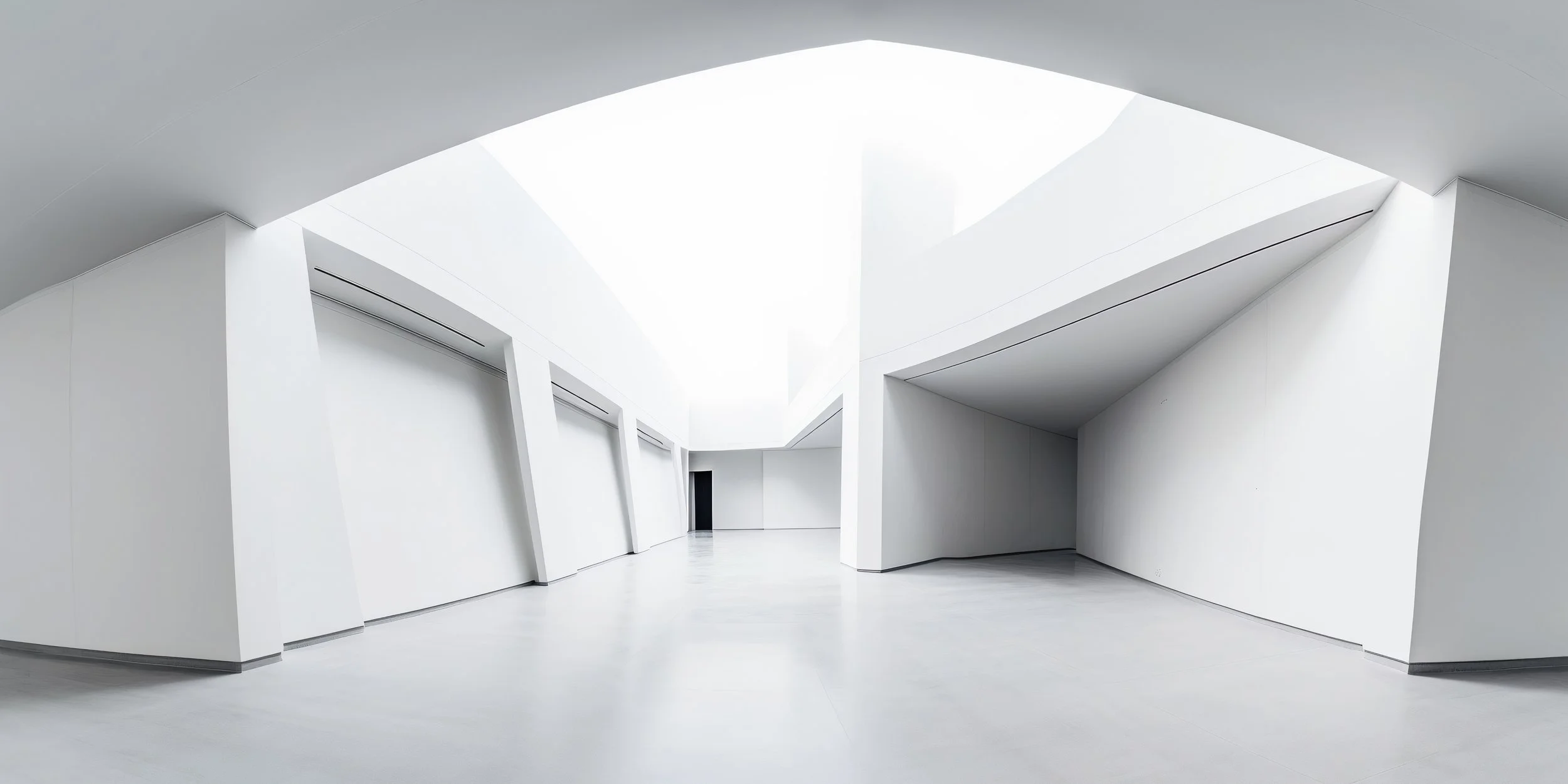
Luxury is no longer communicated through abundance. In 2026, it is communicated through spatial intelligence. Quiet luxury shows up in how a space holds silence, how circulation avoids collision, and how materials absorb rather than reflect attention.
This shift is not about taste alone. It is a response to sensory saturation. Guests are arriving overstimulated and leaving when environments ask too much of them. The new luxury is emotional relief.
Quiet luxury is expressed through measured proportions, acoustic control, restrained palettes, and service rhythms that adapt rather than intrude. It is not tied to price but to intent. Properties that succeed here earn time, not applause.
Minimalism Becomes an Operational Filter
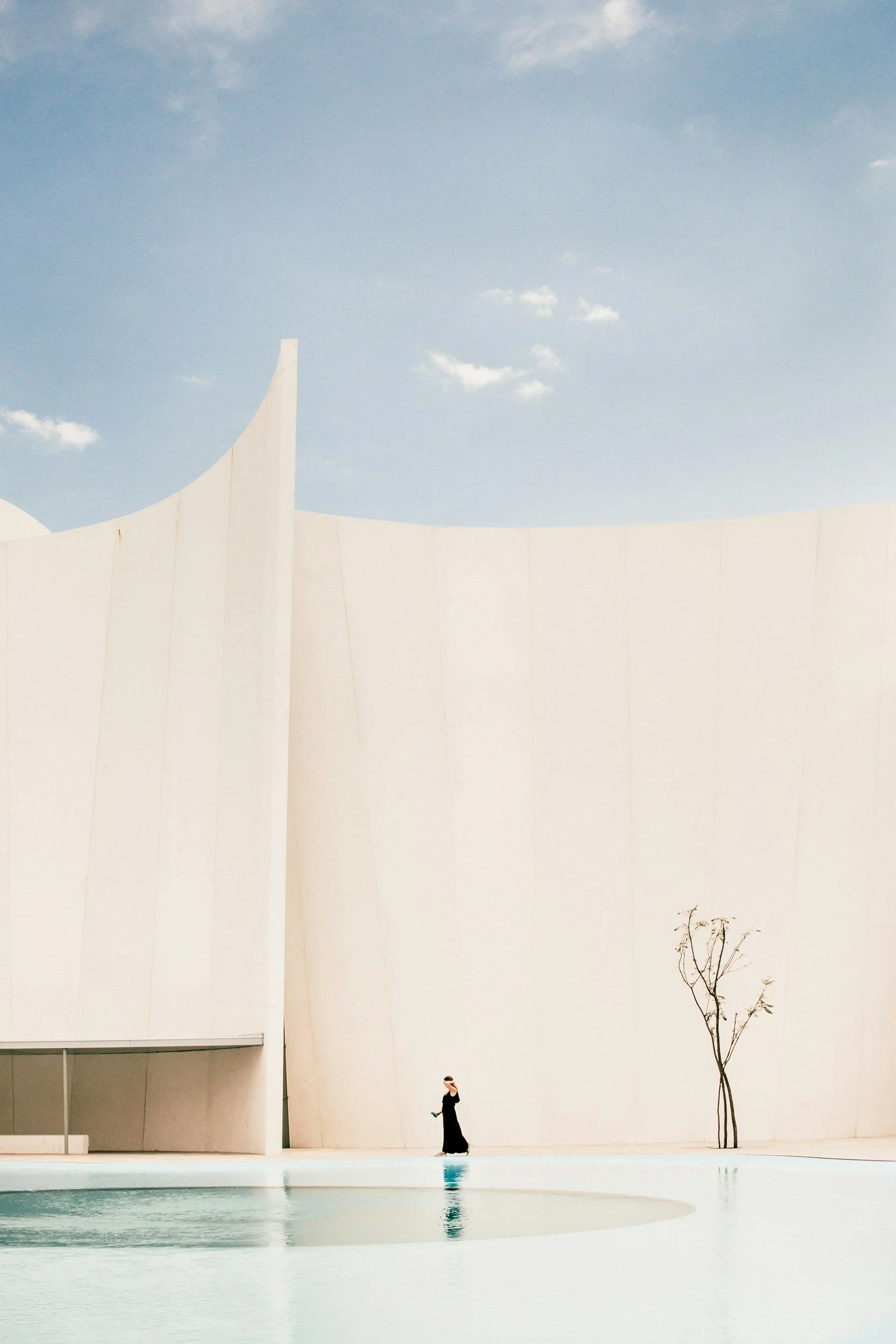
Minimalism in 2026 is not aesthetic restraint. It is decision discipline. Every element that remains in a space must earn its place operationally, not just visually.
This evolution is driven by cost pressure, maintenance reality, and staffing constraints. Fewer materials mean fewer failure points. Simpler layouts mean less training time and lower fatigue. Minimalism becomes a way to stabilise complexity.
Well‑executed minimalism communicates confidence because it removes indecision. Guests sense when nothing is accidental.
Functionality Replaces Photography as Design Validation
Design success is no longer measured by images. It is measured by endurance. In 2026, hospitality design is evaluated by how it performs across time, occupancy cycles, and staff turnover.
Layouts that photograph well but strain operations are being quietly abandoned. Instead, attention is shifting to circulation efficiency, service adjacency, storage intelligence, and adaptability.
The strongest projects treat design as infrastructure. Beauty is still present, but it is a consequence of clarity rather than decoration.
Architecture Returns to Climate, Place, and Constraint
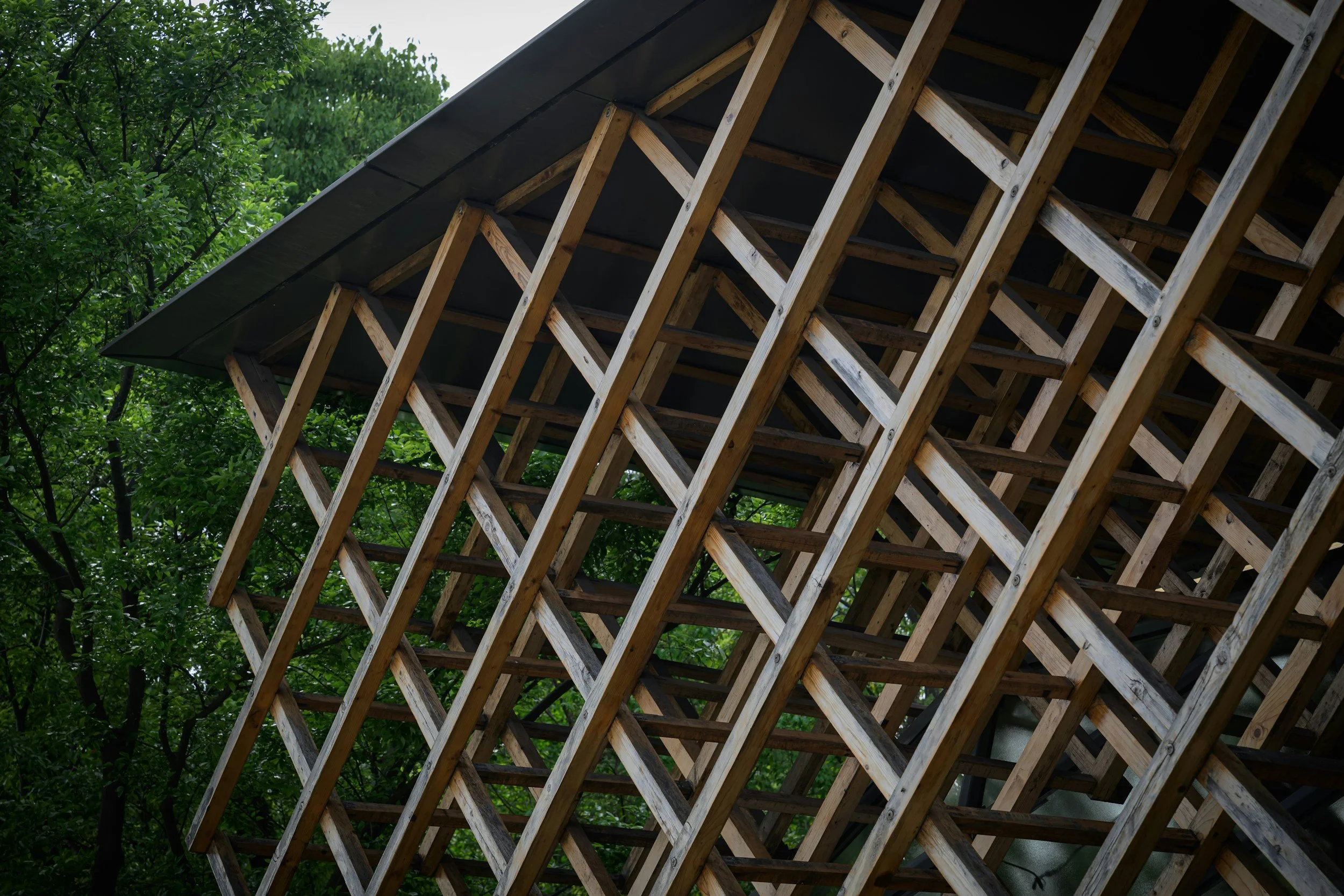
Global hospitality templates are losing relevance. Architecture in 2026 is becoming local again, not as nostalgia but as strategy.
Buildings that respond to climate outperform those that resist it. Structures that use local materials age more honestly. Spaces shaped by topography feel inevitable rather than imposed.
Contextual architecture is proving to be economically rational. It lowers energy demand, strengthens identity, and protects long‑term asset value without requiring constant reinvention.
Technology Recedes While Its Impact Expands
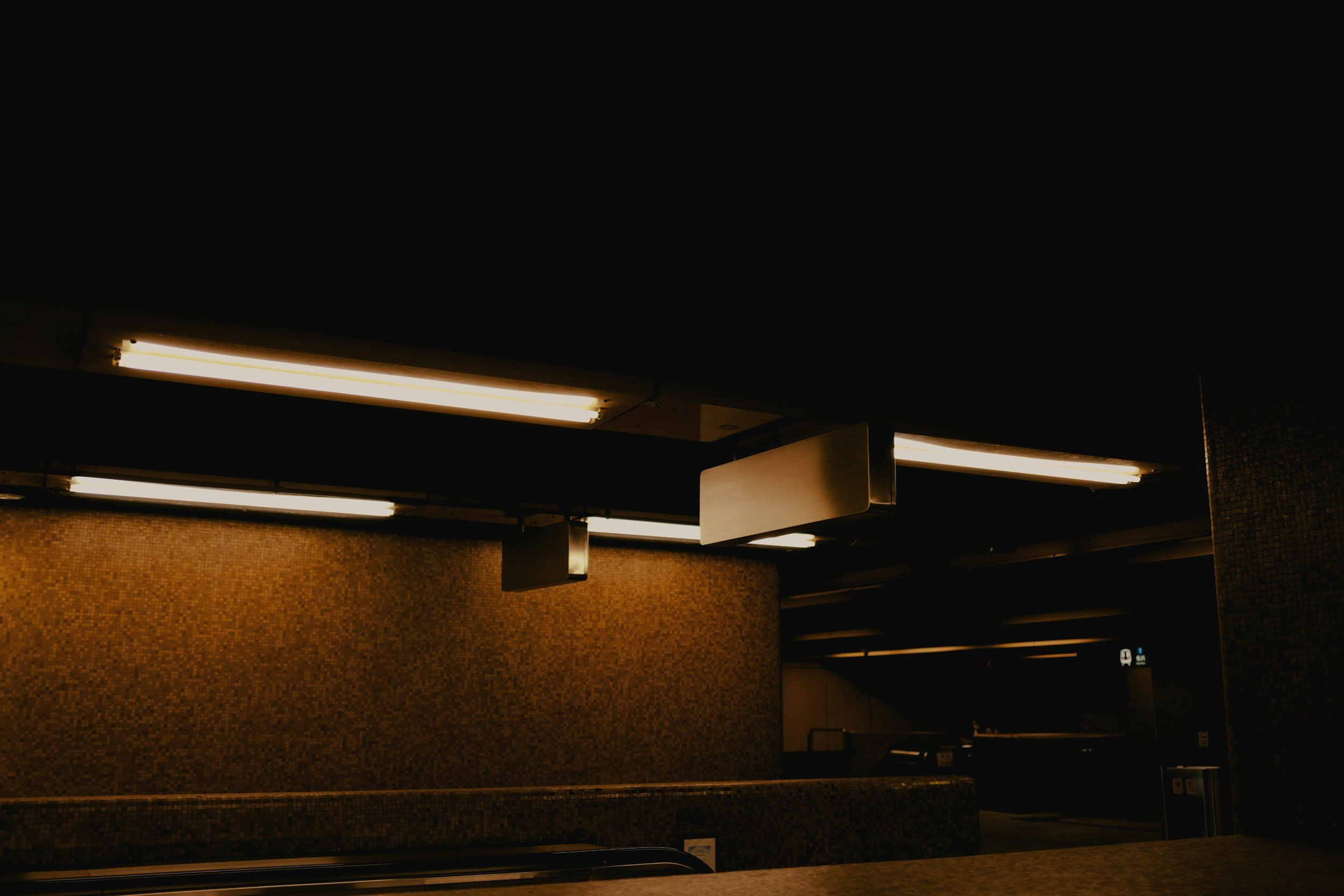
The most successful technology in hospitality is increasingly invisible. Guests do not want interfaces. They want effortlessness.
In 2026, technology succeeds when it removes decisions rather than adds options. Climate systems that self‑regulate, lighting that follows natural rhythms, and service platforms that disappear after use define this shift.
Technology becomes background infrastructure, supporting comfort, sustainability, and maintenance without announcing itself.
Nature Becomes Structural, Not Decorative
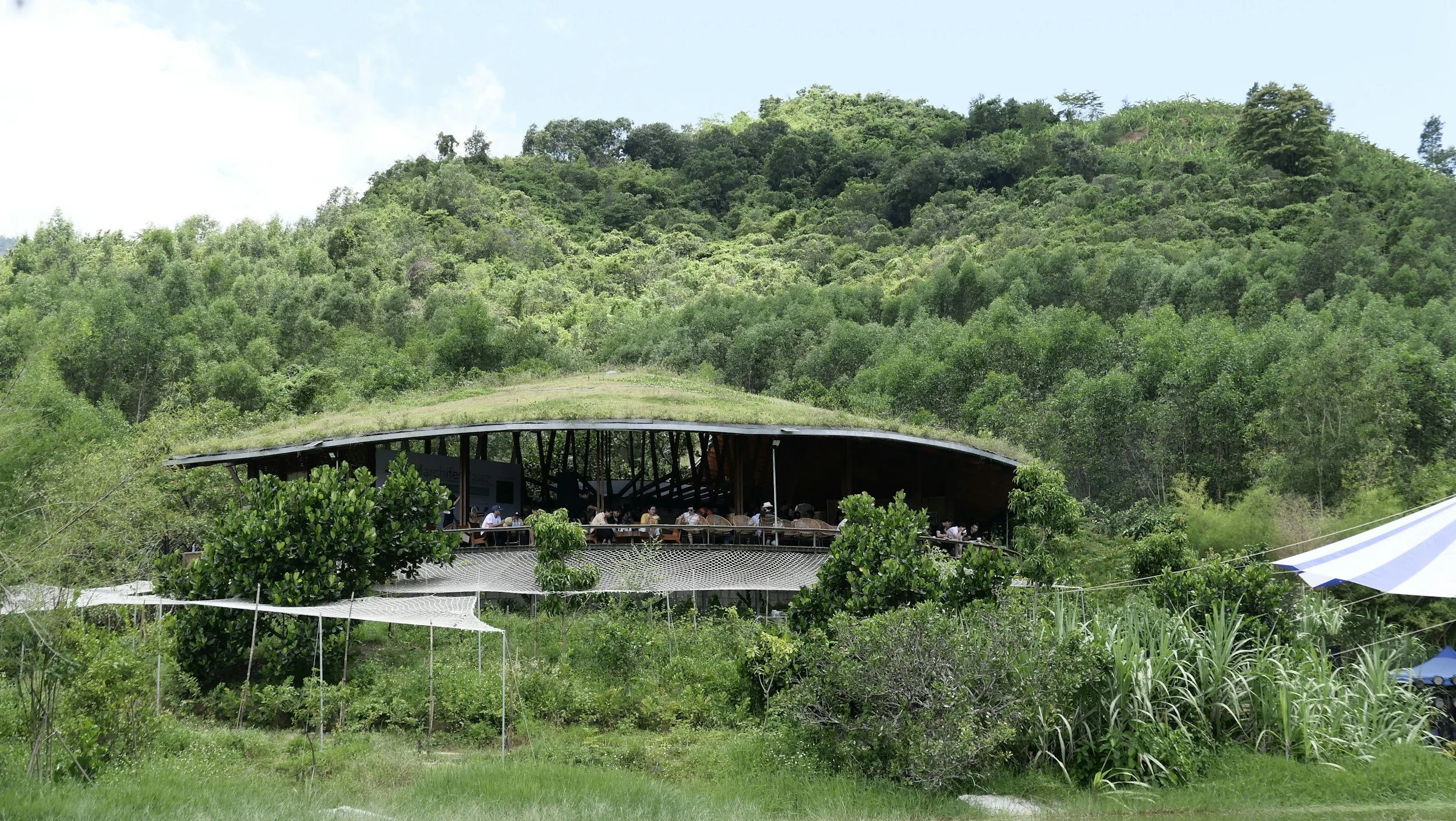
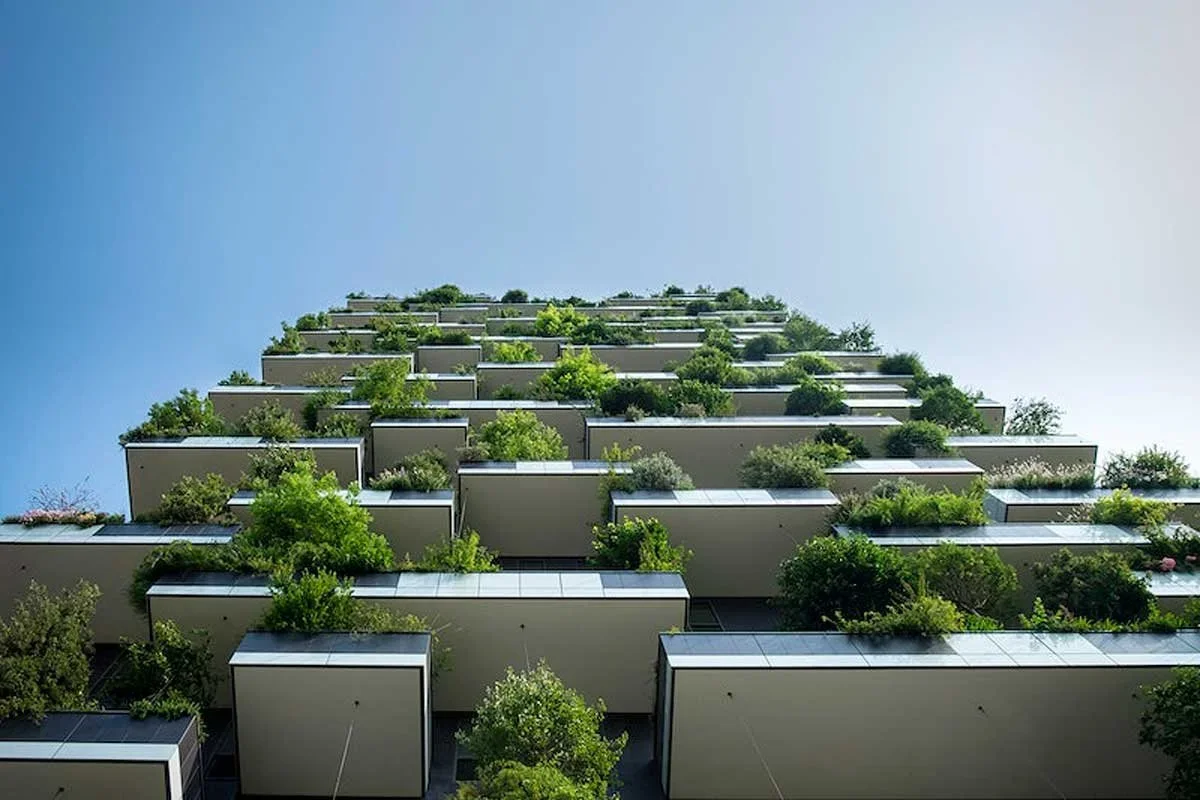
Nature is no longer an aesthetic layer. It is a functional system. Courtyards regulate temperature. Landscapes manage water. Natural ventilation reduces energy dependence.
Properties that integrate nature structurally create environments that feel calmer and more durable. Guests respond not to greenery itself, but to the physiological ease it produces.
Nature in 2026 is less about views and more about performance.
Privacy Is Redefined as Spatial Autonomy
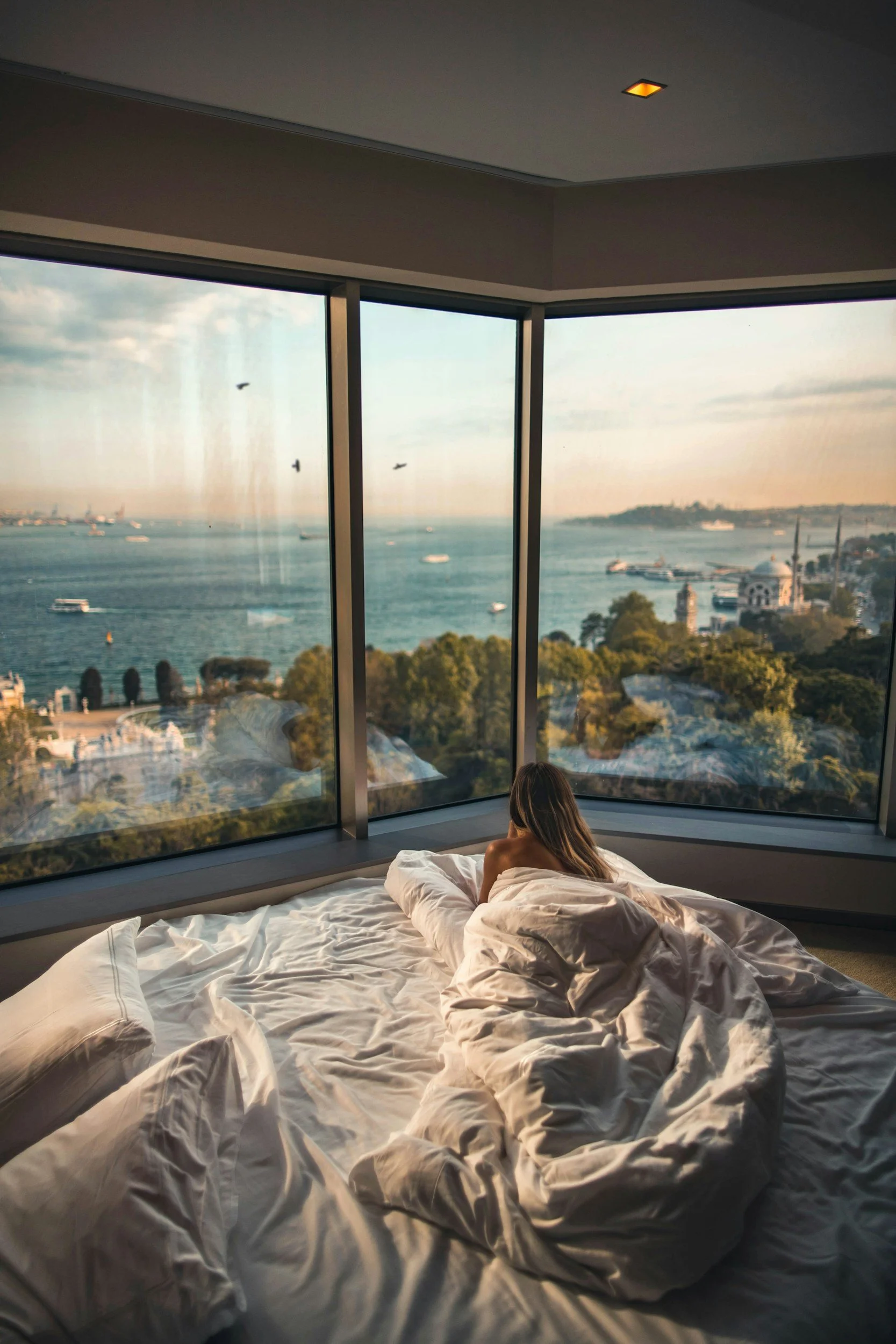
Privacy in hospitality is evolving beyond seclusion. It now means control. Guests want the ability to choose engagement rather than be subjected to it.
This shows up in room orientation, sound separation, layered public spaces, and service models that respect non‑interaction. Privacy becomes a design and operational philosophy.
Properties that offer spatial autonomy build trust faster than those that rely on attention.
User‑Centric Design Moves From Customisation to Intuition
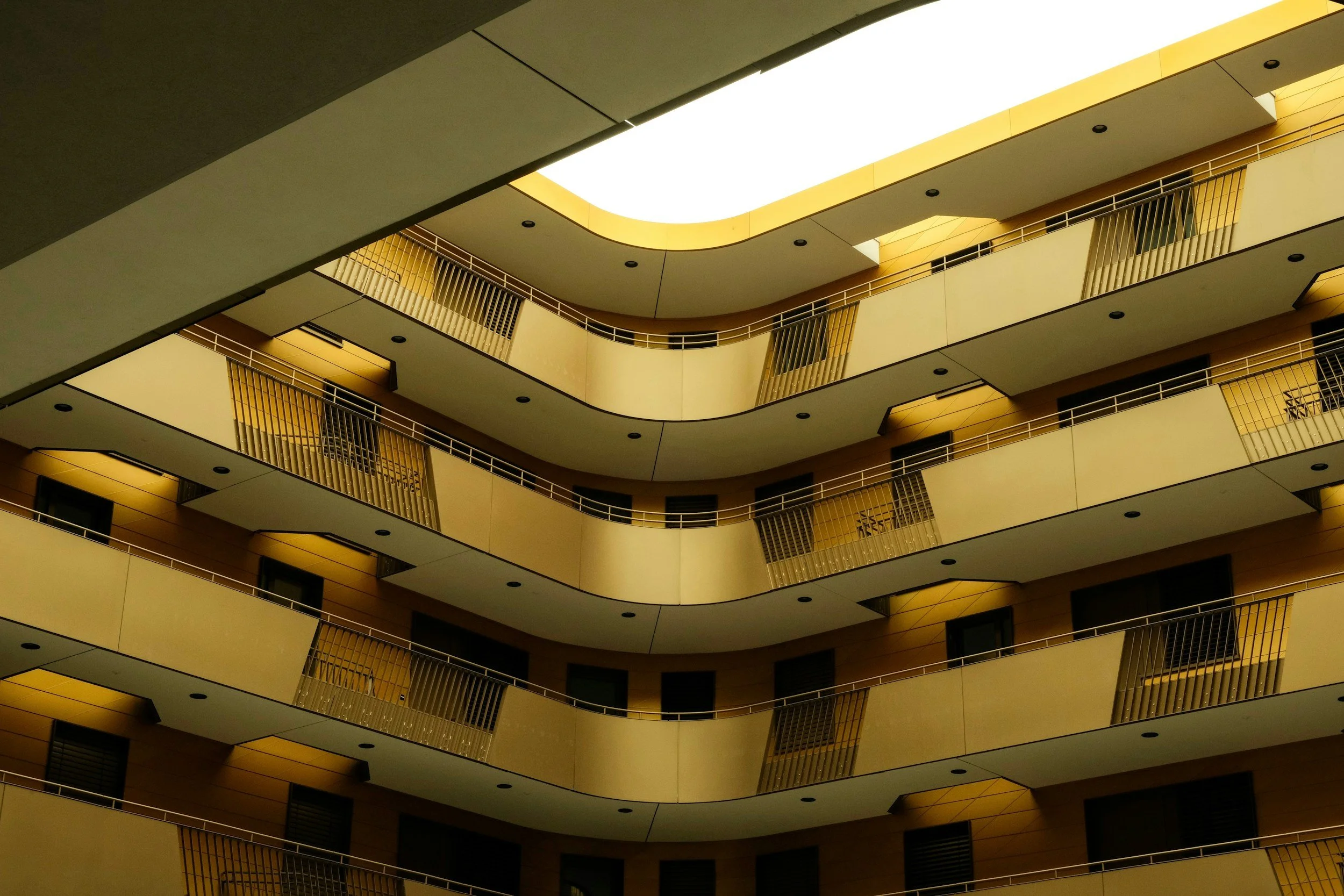
Personalisation is losing relevance. In its place, intuitive design is emerging.
Instead of asking guests to configure preferences, spaces are designed to support multiple modes of use without instruction. Guests move naturally between work, rest, solitude, and social presence.
User‑centric hospitality in 2026 feels obvious. Its success lies in what guests are not required to think about.
Experiences Shift From Performance to Participation
Experiential hospitality is shedding theatrics. Guests are increasingly uninterested in staged moments and curated narratives.
What holds value now is participation: learning a skill, understanding a process, contributing to something real. Experiences rooted in craft, culture, and ecology outperform those built on novelty.
Depth replaces spectacle. Time replaces intensity.
Food Systems Become Part of the Asset, Not the Story
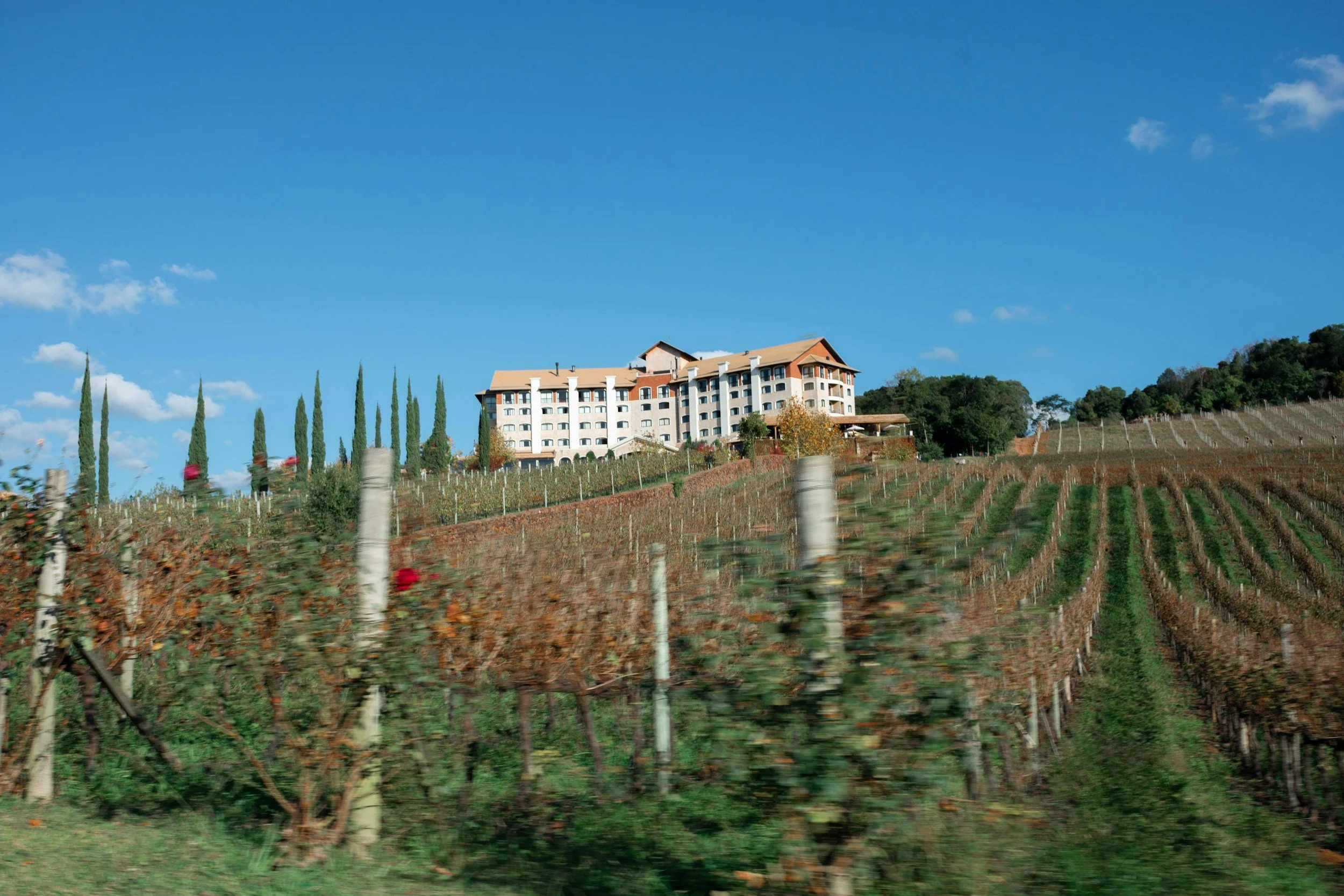
Farm‑to‑table is no longer a marketing phrase. In 2026, food systems are operational assets.
On‑site growing, regional sourcing, and direct producer relationships reduce volatility and increase credibility. Guests respond to food that reflects place rather than concept.
The strongest hospitality kitchens are extensions of local ecosystems, not isolated stages.
Marketing Slows Down and Becomes Legible

Hospitality marketing is becoming quieter. Trust is built through consistency, not amplification.
Guests are drawn to brands that articulate their intent clearly and repeat it calmly across touchpoints. Process, philosophy, and constraint are becoming more persuasive than polish.
Marketing in 2026 rewards legibility over reach.
Capital and Entrepreneurship Re‑Anchor to Time
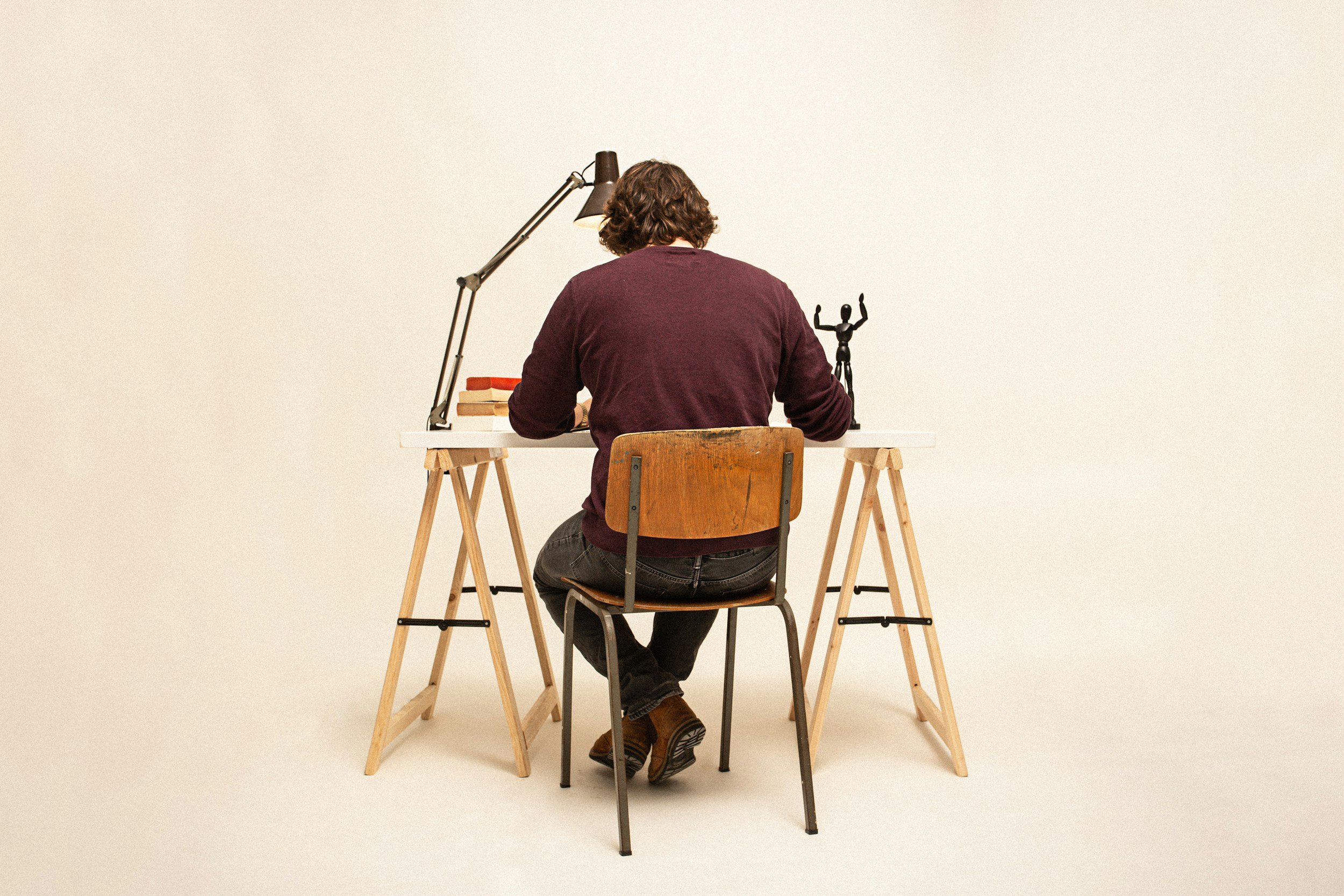
The dominant shift in hospitality entrepreneurship is temporal. Founders and investors are planning for endurance rather than acceleration.
Single assets with strong identity, clear operations, and cultural alignment are outperforming fragmented portfolios. Growth is being measured in resilience, not footprint.
Hospitality is returning to its nature as a long‑term practice.
Closing Perspective
The hospitality landscape of 2026 favours those who design with restraint, operate with clarity, and build for human rhythms rather than attention cycles.
These are not trends layered on top of each other. They are converging signals of a deeper realignment.
The future belongs to places that feel necessary rather than impressive, and to builders who understand that calm, when designed well, is one of the most powerful experiences hospitality can offer.