Culinary Trends In 2026 - A Structural Shift in How Food Is Grown, Cooked, Served, and Valued

There was a time when the future of food was announced loudly.
New ingredients arrived with fanfare. Menus expanded endlessly. Concepts competed to be more experimental, more expressive, more “forward.” Restaurants behaved like cultural laboratories, and diners were expected to follow along with curiosity and patience.
That era is ending.
What is replacing it is quieter, harder to headline, and far more consequential. Food is no longer trying to impress. It is trying to work.
Across restaurants, hospitality projects, food brands, and culinary real estate, a clear pattern has emerged: decisions are being simplified, systems tightened, and excess stripped away. Not because creativity has died, but because the environment no longer rewards chaos.
The most important culinary shifts underway are not visible at first glance. They are structural. They live in procurement sheets, prep schedules, kitchen layouts, menu architectures, and service rhythms. They are driven by economics, health science, labor realities, and psychological fatigue with noise.
To understand where food is going, it helps to stop looking at plates and start looking at how decisions are made.
The Quiet Reversal of the “More Is Better” Era

For nearly two decades, the industry operated under a simple assumption: more choice creates more value. Bigger menus. Longer wine lists. Broader concepts. Constant rotation.
In practice, this created fragility.
Large menus increased waste, training complexity, execution variance, and cost exposure. They required larger teams and deeper inventories, both of which became liabilities as labor tightened and supply chains destabilized.
What began as a survival tactic has now become a preference. Operators are choosing smaller menus even when they could do otherwise. They have discovered that focus improves nearly every metric that matters: consistency, speed, morale, margins, and guest trust.
This is not minimalism as an aesthetic. It is decision reduction as a strategy.
The restaurants performing best are not those doing the most. They are those doing the fewest things with discipline.
Ingredient Choices Are Becoming Less Romantic and More Intelligent

There was a period when ingredient sourcing functioned as storytelling. Rarity equaled value. Distance implied sophistication.
That logic no longer holds.
Ingredient decisions are now filtered through a different lens: reliability, yield, adaptability, and price stability. Chefs are paying closer attention to how ingredients behave over time rather than how they sound on menus.
An ingredient that can be used across multiple preparations, withstand supply fluctuations, and perform consistently across seasons is more valuable than one that generates excitement once and frustration thereafter.
This shift does not reduce creativity. It redirects it. Mastery is replacing novelty as the marker of skill.
The most respected kitchens are not those with the most obscure inputs, but those extracting depth from a narrow, well-understood palette.
Protein Has Moved From Identity to Function

Few categories have been as ideologically charged as protein. For years, it functioned as a proxy for ethics, politics, and lifestyle branding.
That framing is dissolving.
Protein is increasingly discussed in terms of what it does rather than what it represents. Satiety, recovery, muscle preservation, metabolic stability, and ageing are shaping how menus are constructed and communicated.
This has led to a recalibration rather than a reversal. High-quality animal proteins are returning to menus without apology, while whole-food plant proteins are gaining prominence without being forced into imitation.
The binary debate has given way to pragmatism. The question is no longer “what side are you on?” but “what outcome does this support?”
The Decline of Technological Food Theater

Few ideas captured public imagination more quickly than engineered substitutes promising to replicate familiar foods perfectly. They were framed as innovation, inevitability, and progress.
Reality has been less generous.
Consumers have grown skeptical of products that feel more like software than food. Long ingredient lists, unclear health implications, and inconsistent sensory experiences have eroded trust.
What is rising in place of technological theater is something far older: traditional plant-based cooking done well. Lentils, beans, grains, vegetables, and ferments prepared with technique rather than processing.
This does not represent a rejection of innovation. It represents a preference for intelligibility.
People want to recognize what they are eating and understand how it fits into their bodies and lives.
Nutrition Is Influencing Menus Without Dominating Them

One of the more subtle shifts underway is how nutrition science is shaping culinary decisions without becoming overtly visible.
Fiber, in particular, has moved from a footnote to a design parameter. Awareness of gut health, blood sugar regulation, and long-term metabolic outcomes has influenced ingredient ratios, portion sizes, and course sequencing.
Importantly, this is happening quietly. Menus are not shouting health claims. They are engineering meals that feel better to eat.
This reflects a maturation of food culture. Health is no longer marketed; it is embedded.
Time Has Become a Luxury Signal

Speed once defined good service. Faster was better. Efficiency was celebrated.
That equation has inverted.
In a world saturated with urgency, meals that unfold at a humane pace feel indulgent. Longer intervals between courses, calmer dining rooms, and service that responds rather than rushes are increasingly valued.
This does not mean inefficiency. It means attentive pacing.
Restaurants that understand this are redesigning layouts, menus, and staffing models to support rhythm rather than throughput alone. The result is not only better guest satisfaction, but often higher per-table value.
Visual Restraint Is Replacing Decorative Excess
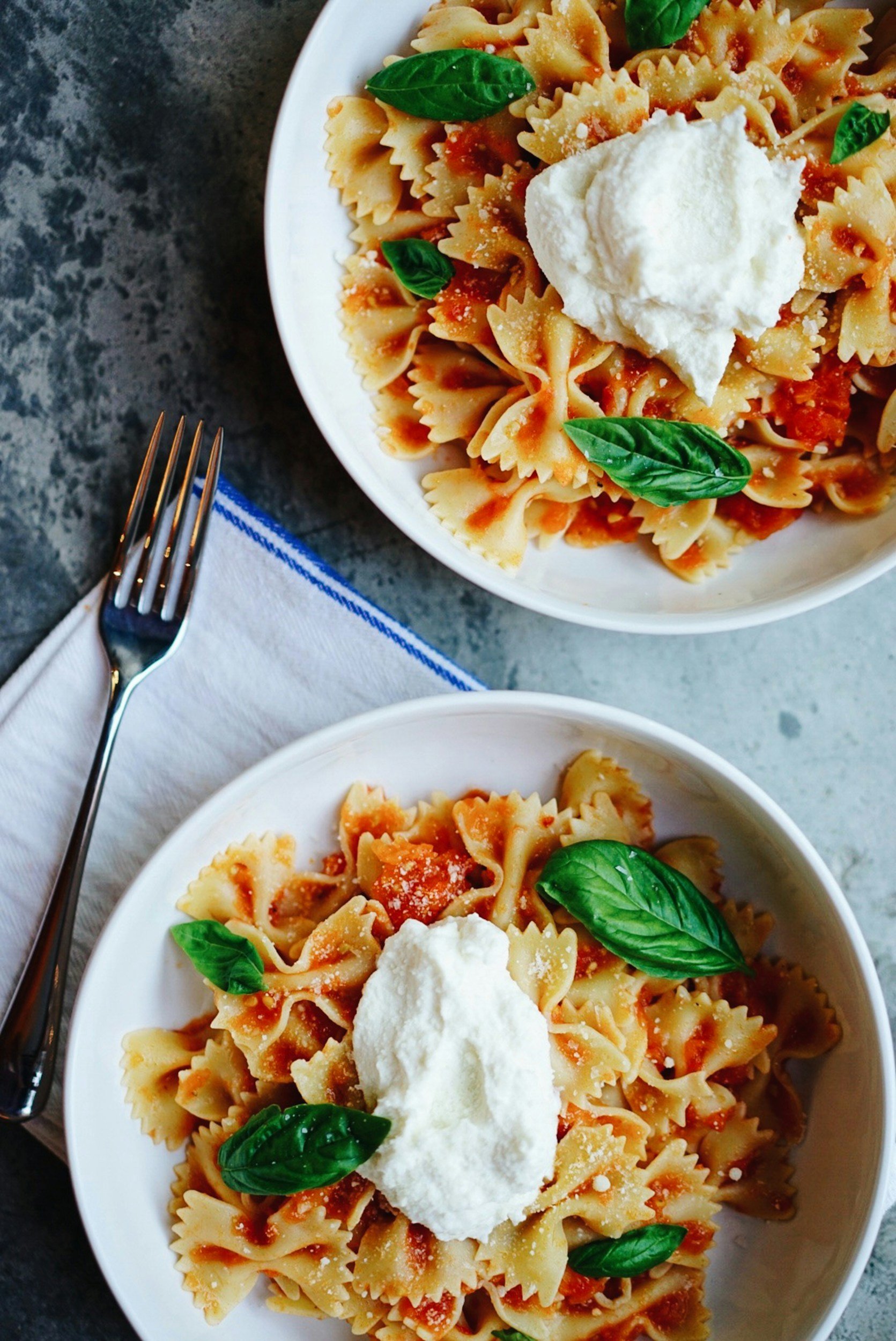
Plating has followed a predictable arc. Complexity escalated until it became parody.
What is emerging now is restraint.
Food is presented clearly, often plainly, with fewer elements and less ornamentation. This places pressure where it belongs: on ingredient quality and execution.
This shift aligns with operational efficiency and with a broader cultural preference for honesty over performance.
A dish that looks simple but tastes precise communicates confidence.
Global Cuisines Are Being Offered Without Translation
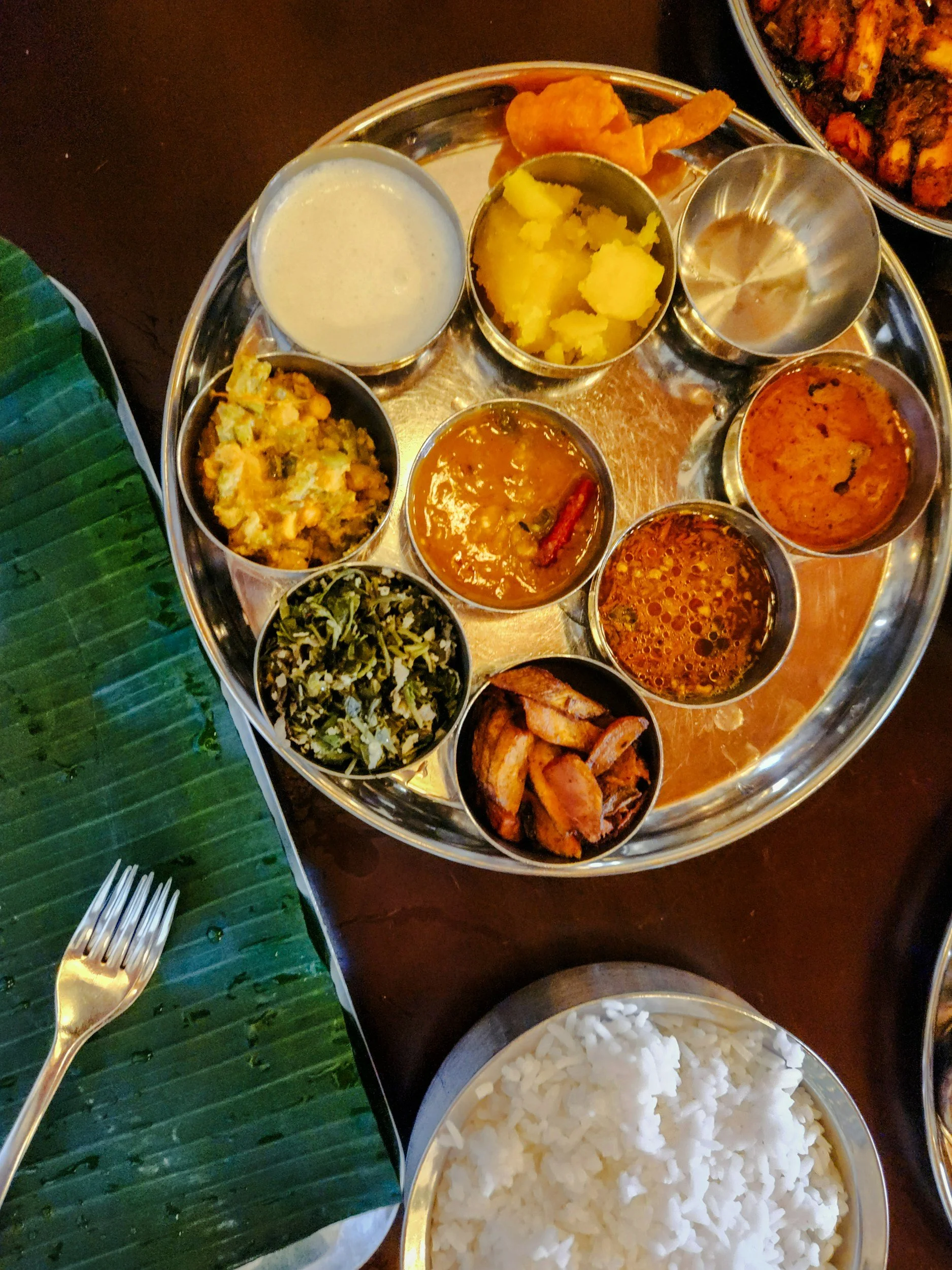
There was a time when global flavors were filtered, softened, and hybridized to fit perceived mainstream comfort.
That assumption is fading.
Diners are more informed, more traveled, and more willing to engage with unfamiliar textures, spice levels, and formats. As a result, cuisines are increasingly presented on their own terms.
This is not fusion. It is fidelity.
Depth within a specific culinary tradition is proving more compelling than surface-level borrowing.
Fermentation Has Become Infrastructure

Fermentation has moved beyond trend status.
What was once experimental is now operational. Kitchens are using fermentation to extend shelf life, deepen flavor, and reduce waste. It is treated as a system, not a garnish.
This reflects a broader pattern: techniques that deliver multiple benefits are being prioritized over those that exist for spectacle alone.
Drinks Are Carrying More of the Experience

Beverage programs have quietly become one of the most strategic components of dining.
Lower-alcohol options, non-alcoholic pairings, and functionally oriented drinks are expanding not because of abstinence movements, but because they improve pacing, comfort, and inclusivity.
Well-designed beverage programs also offer operational advantages. They are margin-positive, flexible, and capable of shaping the meal without increasing kitchen complexity.
Storytelling Is Being Replaced by Trust
Menus used to explain themselves extensively. Every ingredient came with a backstory.
That impulse is receding.
Guests increasingly prefer clarity over narration. They rely on the establishment’s reputation rather than on persuasive language.
This is a sign of confidence on both sides of the table.
Kitchens Are Being Designed for Longevity, Not Heroics

The myth of culinary martyrdom is eroding.
Operators are redesigning kitchens to reduce physical strain, simplify workflows, and support sustainable careers. Predictable prep schedules, ergonomic layouts, and rational service loads are becoming priorities.
This shift is not altruistic. It is practical. Retention, consistency, and institutional knowledge all improve when kitchens are built for humans rather than myths.
Local Sourcing Is Becoming Economically Literate

Local sourcing is no longer treated as an unquestioned virtue.
Instead, it is evaluated alongside reliability, logistics, and price stability. Regional sourcing strategies are replacing rigid geographic constraints.
The goal is resilience, not symbolism.
Pragmatism Has Replaced Ideology
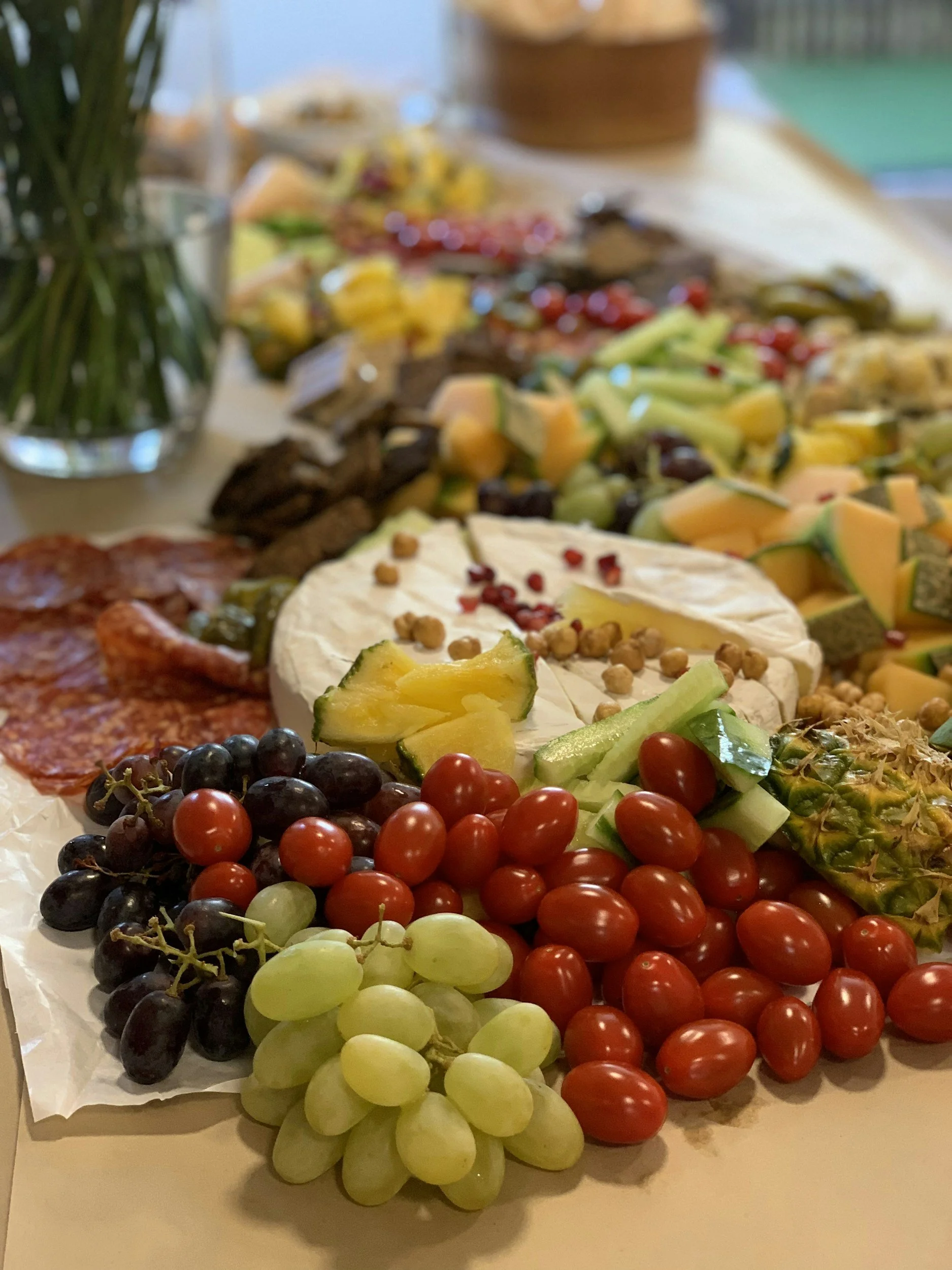
Perhaps the most defining shift is philosophical.
Culinary decisions are increasingly judged by whether they work consistently over time. Concepts that are beautiful but fragile are being reconsidered.
This does not signal a lack of ambition. It signals maturity.
Food Is Being Designed for Emotional Stability
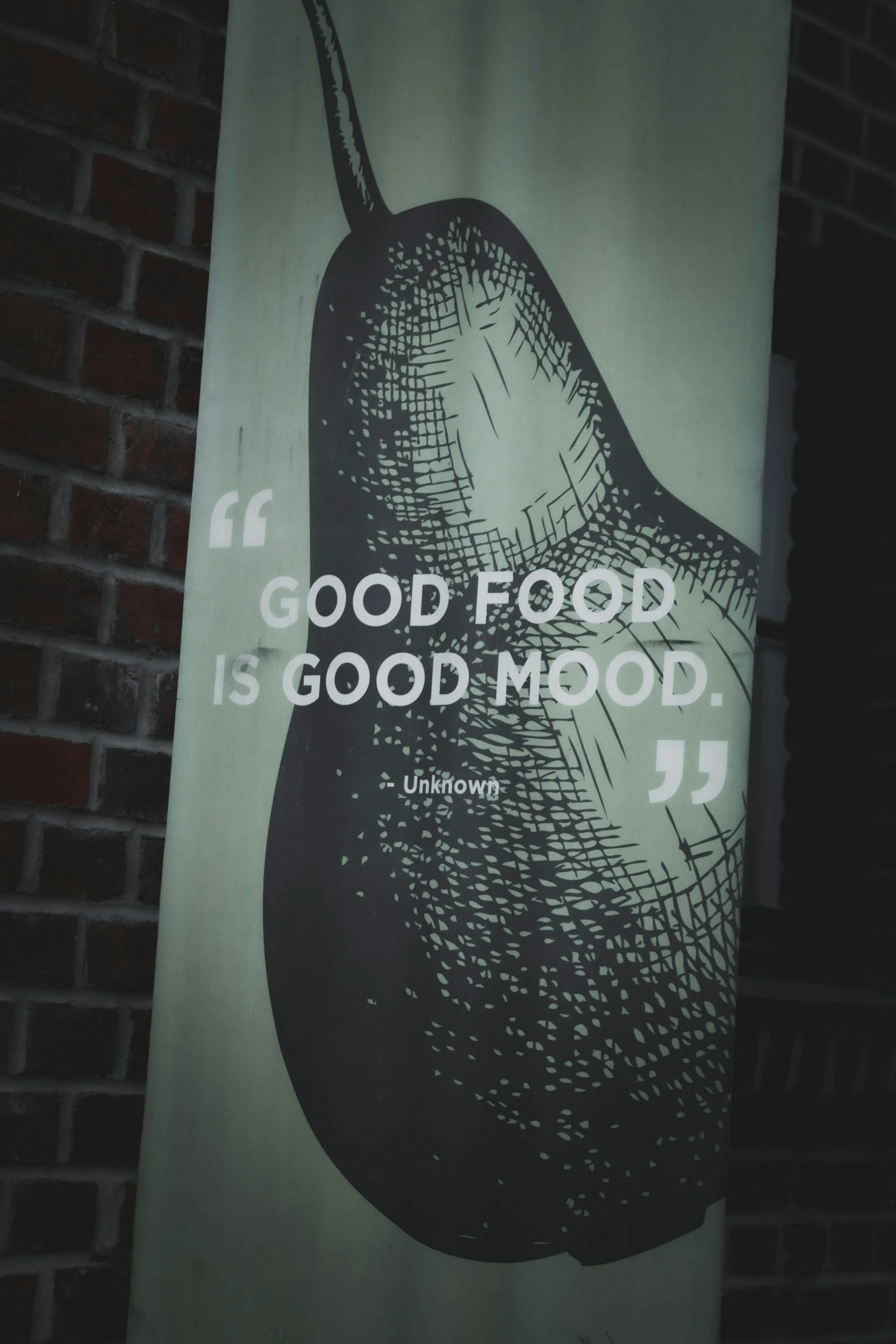
In uncertain environments, people gravitate toward experiences that feel grounding.
Menus are leaning into familiarity refined rather than novelty forced. Comfort is not opposed to sophistication. It is often the foundation of it.
Luxury Has Been Redefined as Calm

Excess no longer signals luxury.
Space, privacy, restraint, and attentiveness do.
This redefinition influences everything from menu size to room acoustics to service choreography.
Technology Operates Quietly in the Background
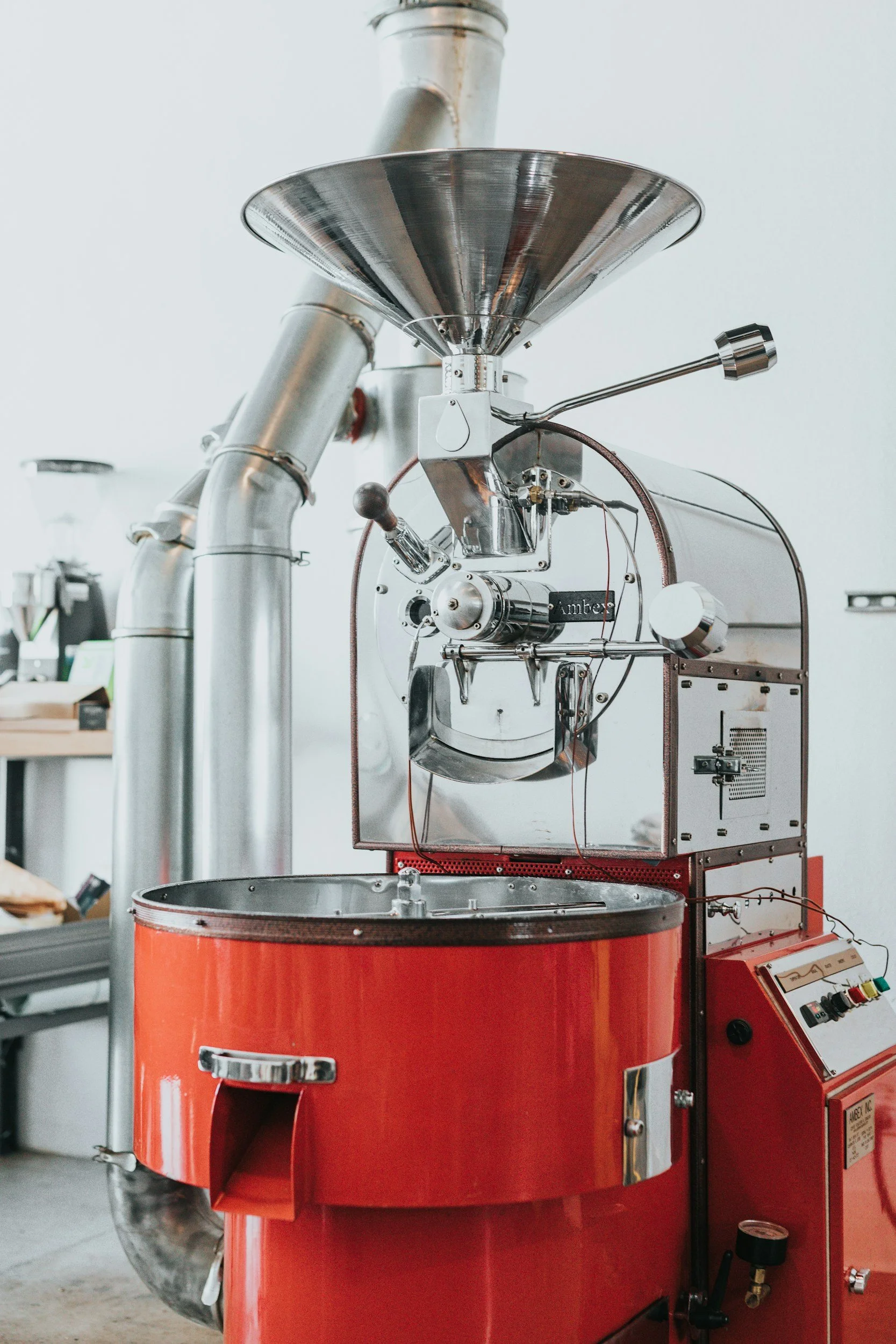
Data and automation are shaping procurement, forecasting, and inventory. Guests rarely see it.
That invisibility is intentional. Technology is valued for what it enables, not for what it announces.
Identity Is Outperforming Trend Alignment
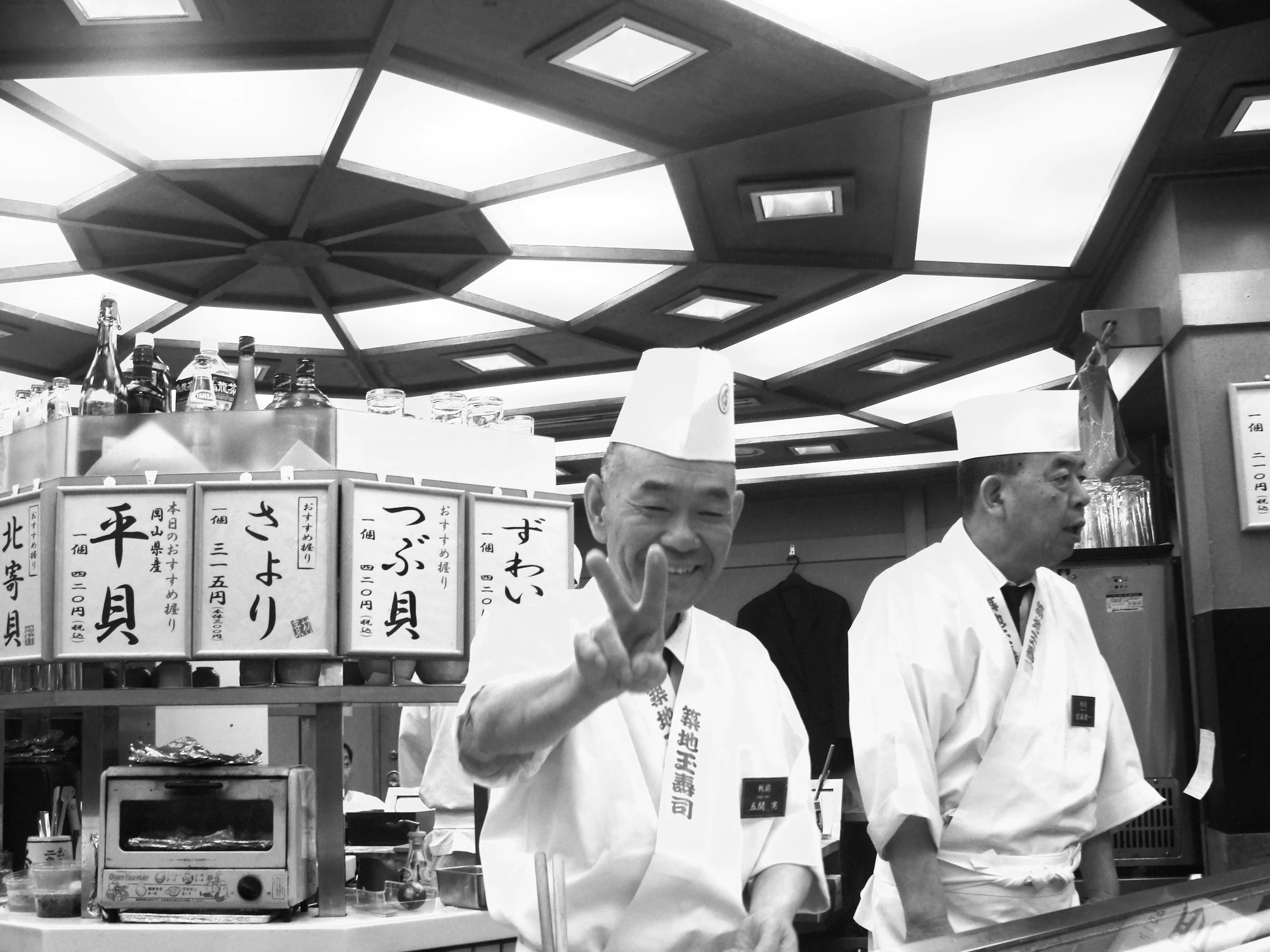
Restaurants are increasingly committing to narrow points of view.
This clarity supports brand recognition, staff alignment, and long-term relevance. Chasing trends is proving less effective than articulating identity.
Capital Is Thinking Longer

Food businesses are being evaluated over longer horizons.
Durability, adaptability, and brand trust are becoming more important than rapid expansion or novelty cycles.
The Throughline: Fewer Decisions, Better Outcomes
Across sourcing, menus, staffing, and service, the same principle repeats: reduce unnecessary complexity.
This is not a retreat from ambition. It is a reorientation toward sustainable excellence.
Closing Perspective
The future of food is not louder, faster, or more complicated.
It is clearer.
The most successful culinary operators are not predicting trends. They are building systems that can absorb change without losing coherence.
That is where real advantage now lies.
And that is the direction in which the industry is moving.