Social Media Trends For Restaurants In 2026
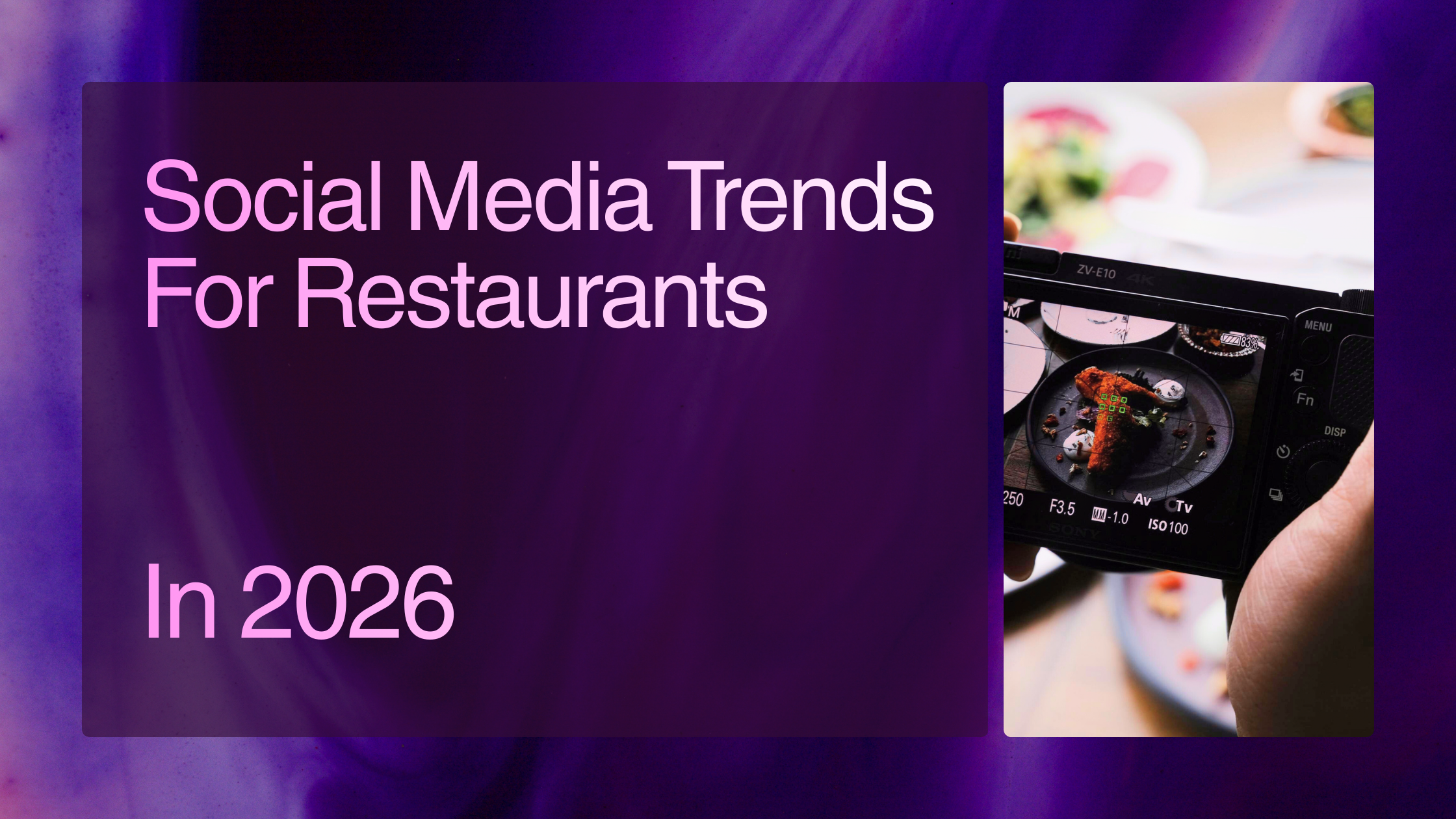
Social media has evolved from a promotional channel into a decision-making layer for restaurants. Diners no longer use it merely to browse or be entertained. They use it to assess credibility, reduce uncertainty, and decide where to spend time and money.
This shift has altered what works. Visibility alone no longer converts. Aesthetic appeal alone no longer persuades. What matters now is how accurately a restaurant’s digital presence reflects its real-world experience.
The following analysis examines the dominant trends shaping restaurant social media performance, grounded in behavioural economics, cultural change, and operational reality rather than platform novelty.
From Marketing Channel to Decision Infrastructure
The most consequential change is structural.
Social platforms now support discovery, evaluation, and transaction within the same environment. A diner can encounter a short video, assess its credibility in seconds, check availability, and book without leaving the platform.
This collapse of the funnel has three implications.
First, content must carry decision value, not just brand expression.
Second, credibility signals matter more than creative flair.
Third, operational accuracy directly impacts marketing effectiveness.
Social media is no longer an abstraction of the restaurant. It functions as an extension of it.
Trend 1: Short-Form Video Wins Through Narrative Density
Short-form video remains the most effective distribution format, but performance is determined by narrative density rather than duration or production quality.
High-performing videos communicate one clear idea through one observable action:
a pan hitting heat
a dish being finished
a plate being served
These clips succeed because they demonstrate quality rather than claim it. They allow the viewer to infer competence through sensory evidence.
Longer or more explanatory formats underperform in discovery contexts unless supported by existing brand trust. Compression and clarity outperform complexity.
Trend 2: Sensory Fidelity Outperforms Visual Perfection

For years, restaurant content prioritised visual polish. That signal has weakened.
Audiences have been exposed to enough idealised food imagery that perfection no longer implies quality. In many cases, it implies distance from reality.
What performs better is sensory fidelity:
visible steam
texture and movement
ambient sound
minor imperfections consistent with live service
These cues reduce perceived risk. They reassure the diner that the experience shown is likely to match the experience delivered.
Trend 3: Authenticity Emerges From Operations, Not Messaging

Authenticity is no longer achieved through tone or storytelling techniques. It is an operational outcome.
Restaurants that perform well show:
the kitchen as it operates
the staff who serve guests daily
food prepared and served in real conditions
This alignment matters because diners use social content to calibrate expectations. When expectations match reality, trust compounds. When they don’t, dissatisfaction spreads faster than praise.
As a result, social media performance is increasingly constrained by operational truth.
Trend 4: Local Context Is the Primary Relevance Filter
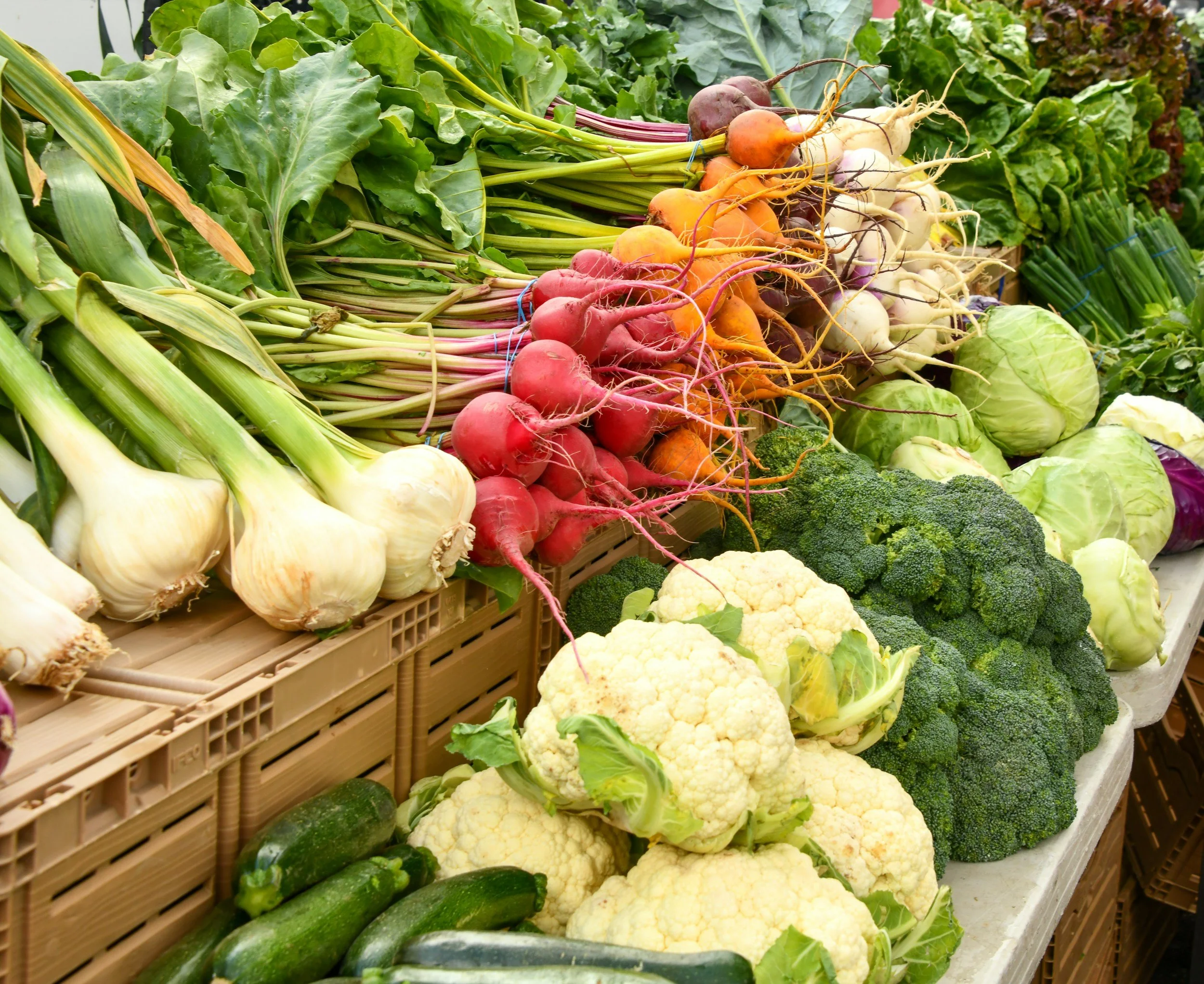
Restaurants are local businesses, and their social presence performs best when it acknowledges this.
Content that references:
neighbourhood routines
weather and time-of-day patterns
local events and rhythms
outperforms generic food content, even when the latter is visually superior.
Relevance reduces cognitive effort. The question diners subconsciously ask is not “Is this impressive?” but “Is this for me, here, right now?”
Accounts that function as neighbourhood touchpoints rather than lifestyle broadcasters generate faster decisions and higher conversion.
Trend 5: Nano and Micro Creators Drive Action, Not Just Reach

Large influencers deliver exposure but limited behavioural impact for restaurants.
Smaller, local creators outperform because they share physical and social proximity with their audience. Their recommendations are perceived as guidance rather than promotion.
Effective restaurants no longer “activate influencers.” They build creator ecosystems:
ongoing relationships
repeated exposure
measurable attribution
Trust compounds through familiarity, not scale.
Trend 6: Staff-Generated Content Acts as a Trust Multiplier
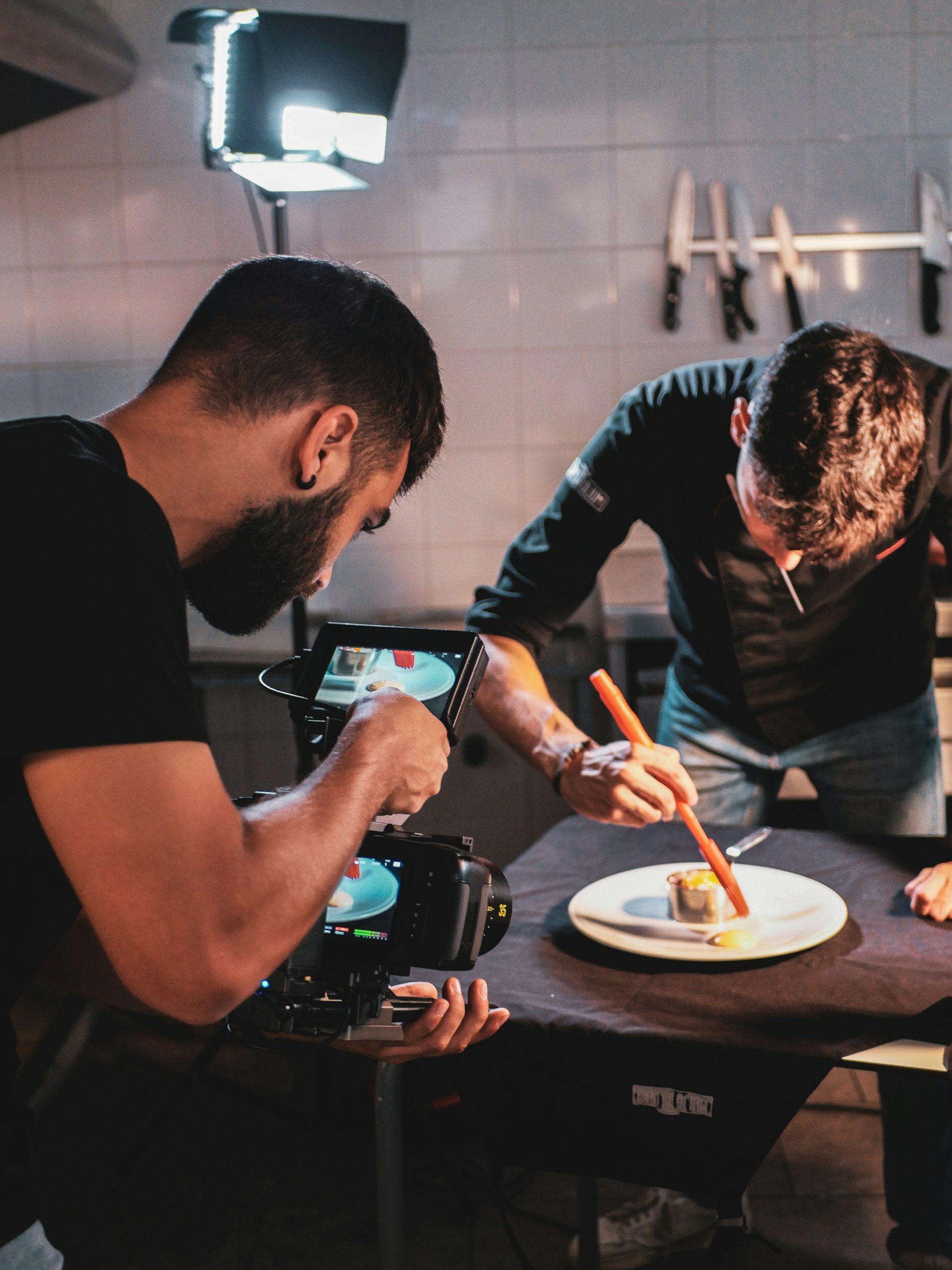
Employees are among the most credible voices a restaurant has.
Staff-generated content performs well because it communicates insider knowledge and emotional investment. A cook explaining a dish or a server sharing a service detail conveys competence more effectively than brand messaging.
There is also an internal effect. When staff participate in storytelling, alignment between promise and delivery improves. Culture and communication reinforce each other.
Trend 7: Social Media Functions as a Transactional Layer

Content that does not support action increasingly underperforms.
This does not require aggressive calls to action. It requires clear pathways:
easy-to-find reservation links
frictionless ordering
bookable limited experiences
The most effective content anticipates the next step and removes unnecessary friction, reducing hesitation rather than increasing pressure.
Trend 8: Scarcity-Based Experiences Outperform Routine Promotion
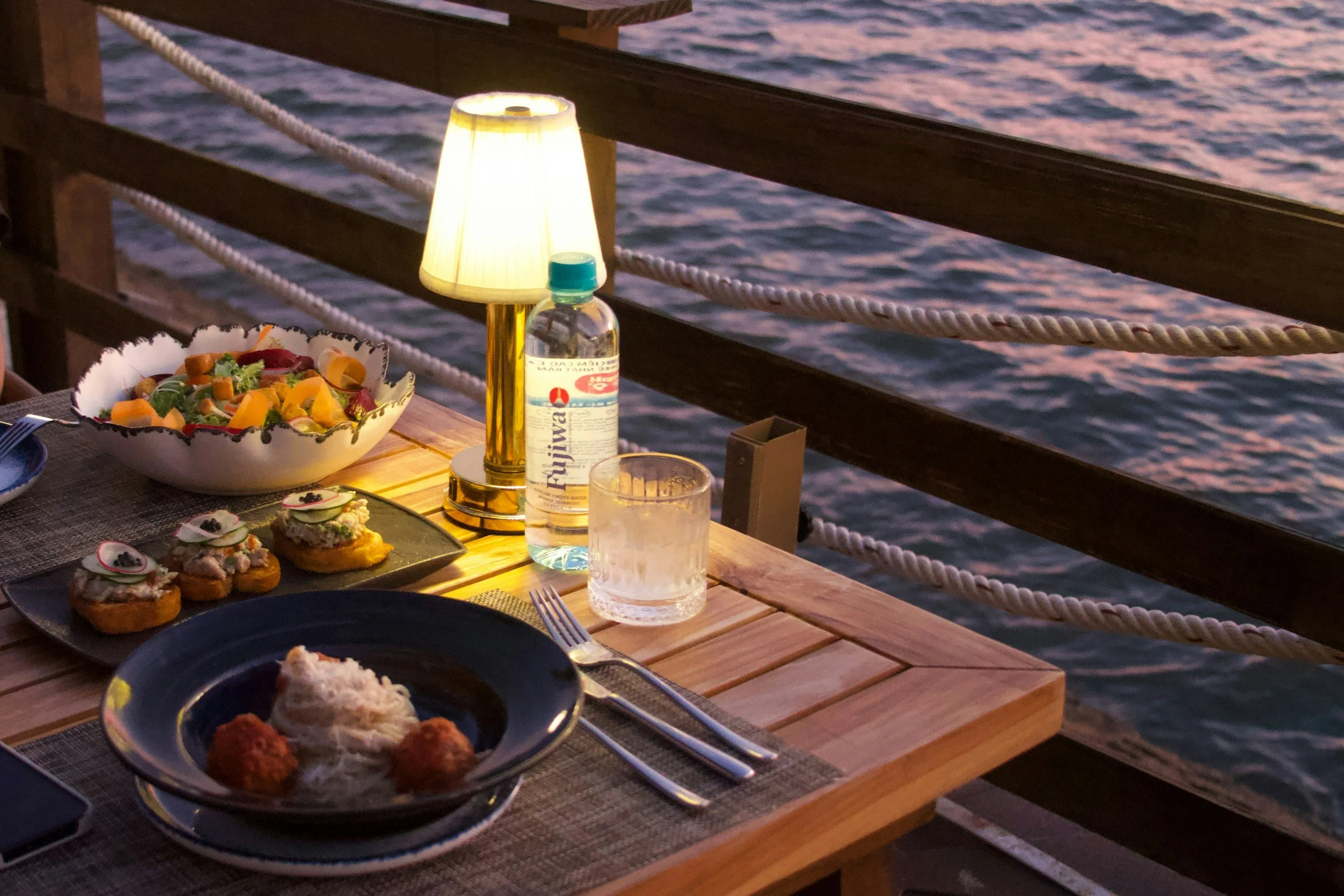
Routine menu promotion suffers from habituation. Diners learn that the content will still be there tomorrow.
Scarcity changes behaviour.
Limited-seat dinners, collaborations, and time-bound menus introduce urgency and meaning. They also provide narrative structure that extends beyond the event itself.
These experiences generate higher engagement, higher average spend, and stronger loyalty signals.
Trend 9: Measurement Has Shifted From Engagement to Behaviour
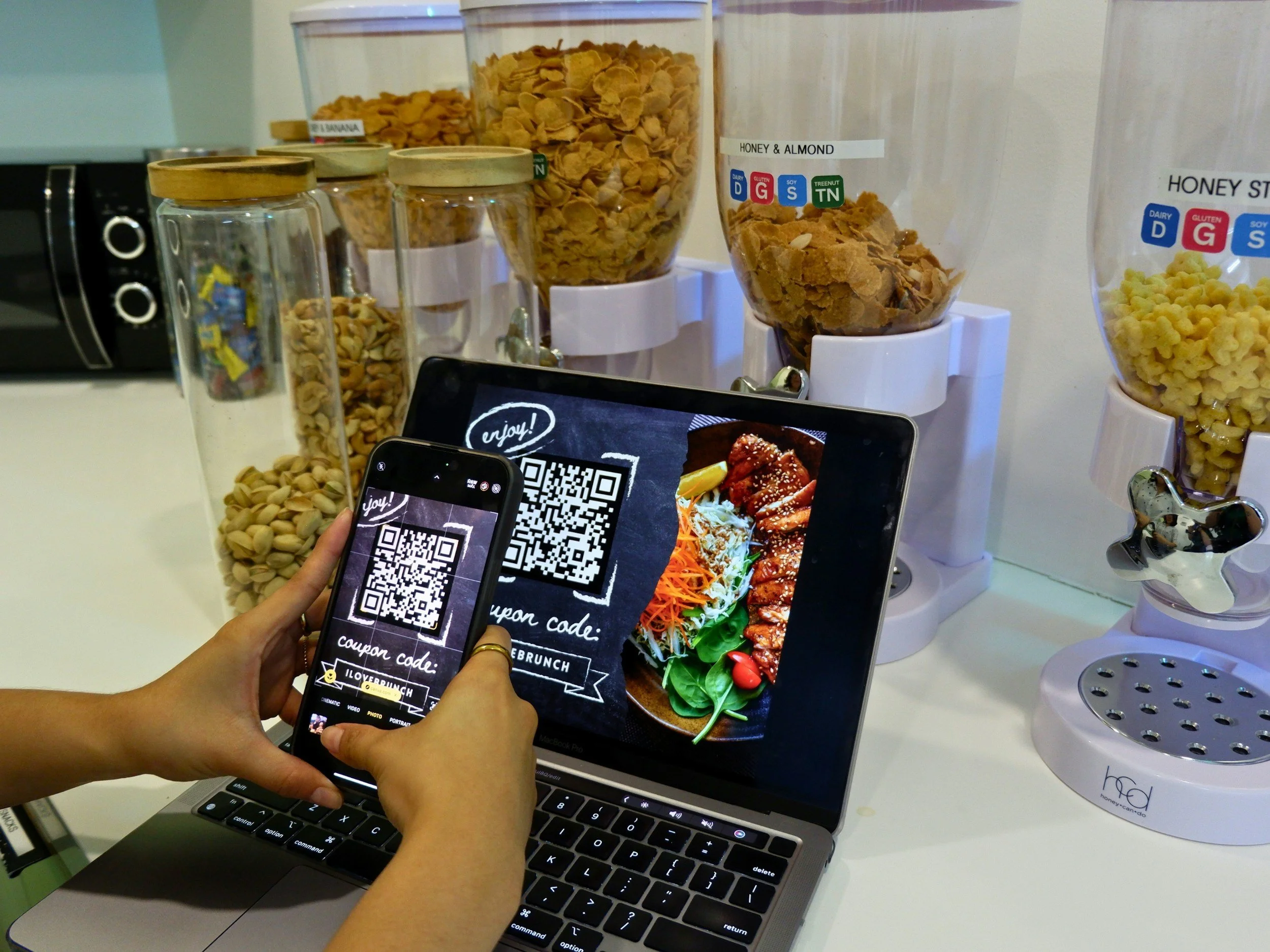
Views and likes are insufficient indicators of performance.
Disciplined operators now track:
reservations attributed to specific posts
walk-ins referencing social content
promo code redemptions tied to creators
This shift reflects a more mature understanding of social media as a demand-generation system rather than a visibility exercise.
Trend 10: AI Plays a Supporting, Not Strategic, Role

AI can improve efficiency in drafting, scheduling, and asset management. It does not generate trust or desire.
In hospitality, where decisions are experiential and risk-sensitive, synthetic content weakens credibility when it replaces real signals.
AI is most effective when it supports human storytelling and operational clarity, not when it attempts to simulate them.
The Behavioural Logic Behind These Trends
These patterns are not platform-specific. They reflect deeper behavioural drivers:
diners seek to reduce uncertainty before committing
simple, recognisable cues lower cognitive load
trust transfers through people, not interfaces
satisfaction depends on alignment between preview and experience
Restaurants that design their social presence around these realities outperform those chasing novelty.
Strategic Implications
Effective social strategy now requires:
alignment between marketing and operations
investment in local relationships
measurement tied to revenue, not attention
restraint in the use of synthetic tools
The constraint is no longer creativity. It is coherence.
Social media success for restaurants is determined by how clearly digital signals reflect physical reality.
The strongest performers are not the most technologically advanced. They are the most consistent.
They show what they serve.
They involve the people who make it.
They respect local context.
They make action easy.
In an environment saturated with content, credibility is the rarest asset. Restaurants that understand this are not just seen — they are chosen.