Operations & service
The Kitchen Brigade System: How Escoffier's Hierarchy Evolved
Escoffier's brigade gave every cook one job and one boss. Here is where it came from, what each role does, and how modern kitchens have bent it to fit.
10 guides from The Paxika Blog.
Operations & service
Escoffier's brigade gave every cook one job and one boss. Here is where it came from, what each role does, and how modern kitchens have bent it to fit.
Operations & service
Most operations manuals are written once and ignored. Sort yours by how fast each page goes out of date, give every page an owner, and it becomes a tool people actually open.
Operations & service
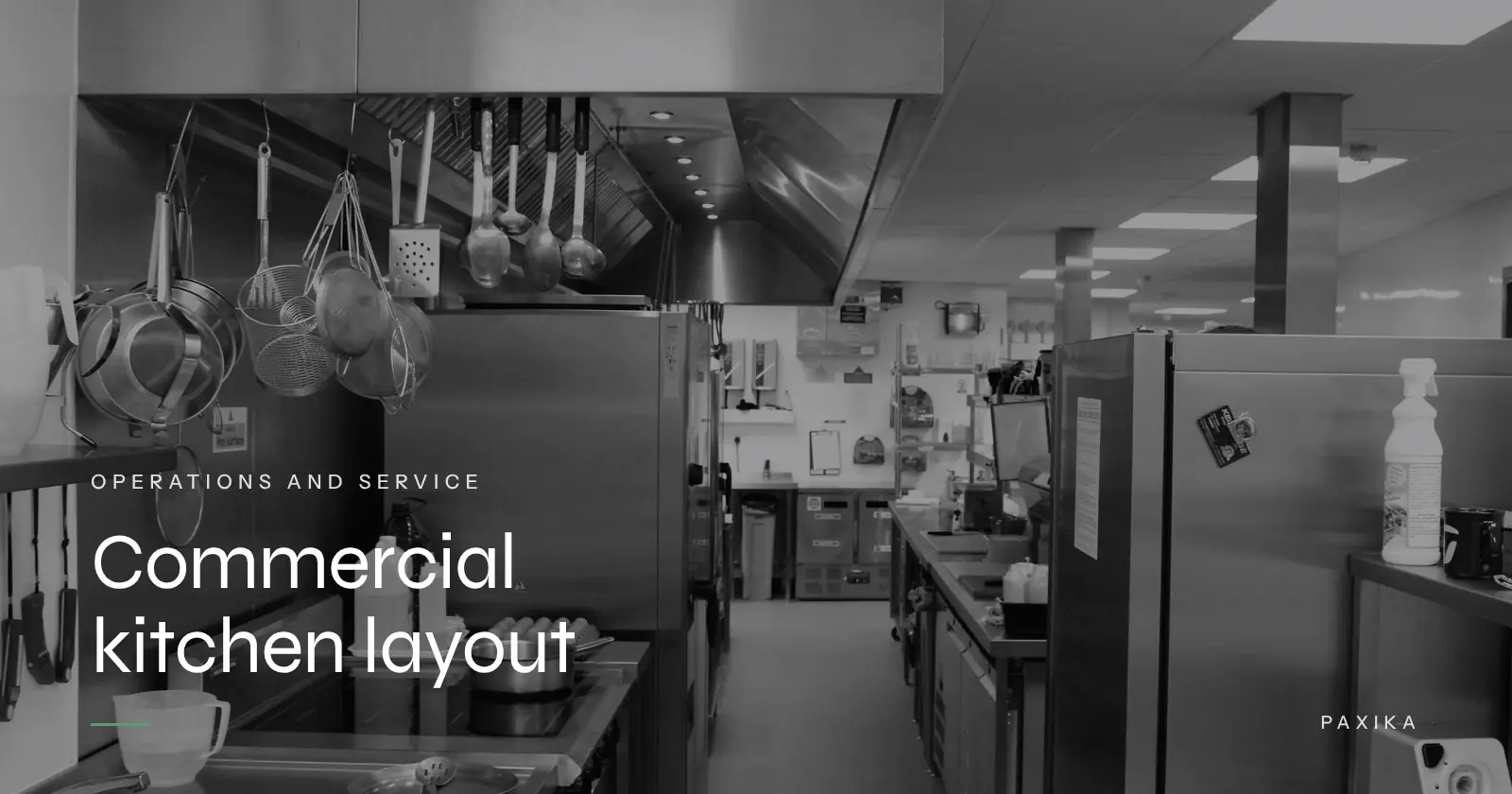
A kitchen plan works best as a map of paths rather than a drawing of equipment. Trace four of them, count where they cross, and find your layout problems before you build.
Operations & service
Food waste has four sources, and each needs a different fix. Weigh it by source first, then work through ten changes in order of effort, starting with the ones that cost almost nothing.
Operations & service
Hotel SOP libraries tend to grow until nobody reads them. Sort every procedure into three tiers by what a failure costs, and keep the system small enough to be used on a busy morning.
Operations & service
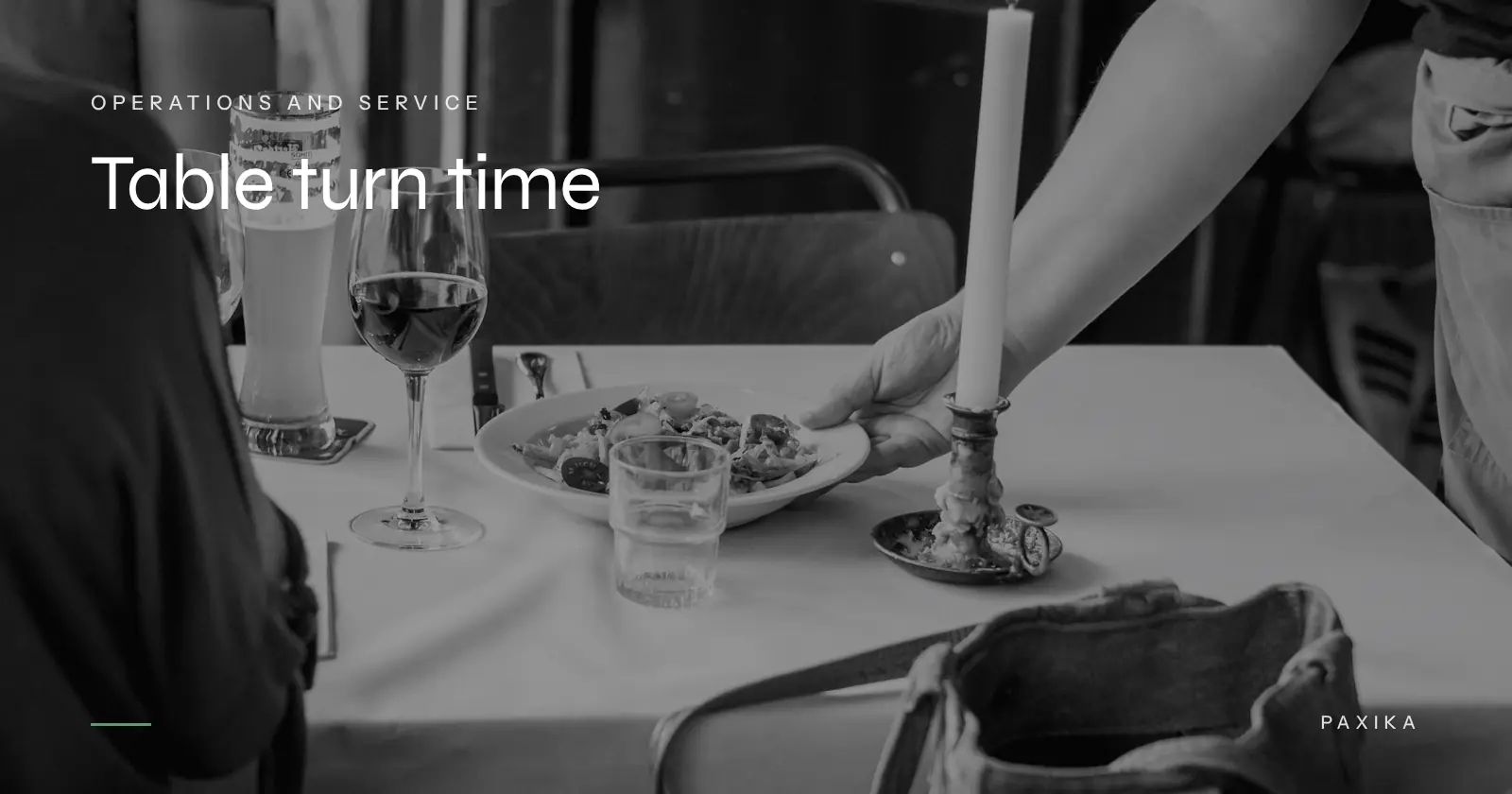
Faster tables do not need faster guests. Split every visit into guest time and house time, then shorten only the house time: the waits for menus, food, the bill and the reset.
Operations & service
Kitchens say 'heard' and think the loop is closed. It is only half closed. Here is how the pass works, and what to borrow from hospitals to fix it.
Operations & service
A well-handled complaint is the most dependable route to a guest who returns. A five-step routine for restaurants and hotels, with a candid look at what the research does and does not prove.
Operations & service
Pre-shift meetings often turn into announcements that evaporate by the first table. A shorter, changes-only format with a quick check for understanding sticks better.
Operations & service
Start with the bin, then the tap, then the meter. A practical order of work for a sustainable restaurant, with the published evidence on what pays back.